
Why Fatigue Management Is A Command Responsibility In EMS
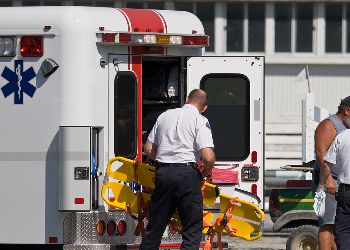
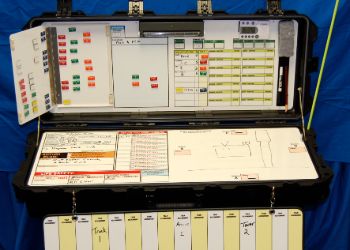
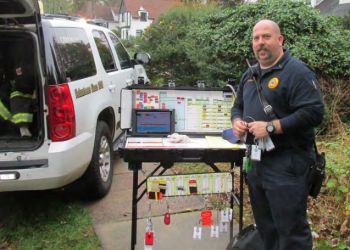
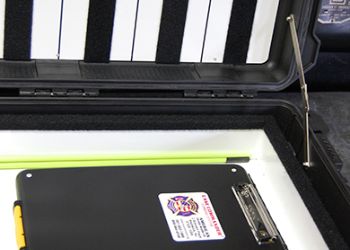
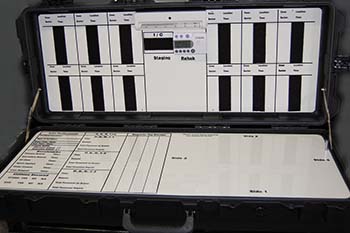
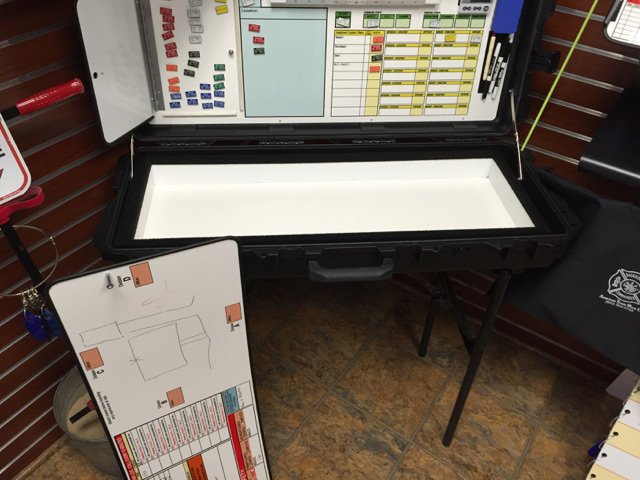
Fatigue management is a critical command responsibility in EMS. In a field where seconds can define the line between life and death, fatigue can greatly impede first responders’ abilities to perform optimally. Tools like command boards help supervisors monitor personnel status, track assignments, and maintain situational awareness, all essential components of fatigue management in the field.
Costs & Risks Of Fatigue
The financial and human costs of failing to manage fatigue in emergency medical services are significant. Ineffective fatigue management extends beyond individual performance; it affects team operations and organizational efficiency at large. Making fatigue management a priority not only safeguards responders but also strengthens operational efficiency.
- Increased Error Rates: Fatigue in first responders contributes to medical errors and a decline in overall safety outcomes.
- Workplace Accidents: Tired personnel are more prone to accidents, risking injury to themselves and others.
- High Turnover: Fatigue contributes to job dissatisfaction and elevated turnover rates within the department.
- Financial Losses: With increased insurance claims and training costs for new hires, fatigue impacts department budgets.
Understanding How Fatigue Shows Up
Fatigue manifests in various ways among EMS workers, often starting subtly but worsening over time into full exhaustion if unchecked. EMS shift work is already taxing on circadian rhythm, but when staffing shortages force extended or mandatory overtime, fatigue compounds quickly. Without monitoring and structured rotation practices, shift workers become especially vulnerable to errors and burnout.
- Physical Symptoms: Persistent tiredness and lack of energy even after rest.
- Mental Symptoms: Difficulty concentrating and making decisions under pressure.
- Emotional Symptoms: Increased irritability and mood swings.
- Behavioral Changes: Reduced alertness and slower reaction times during critical tasks.
Strategies To Mitigate Fatigue Effectively
Commanders can implement multiple ways to manage fatigue among EMS workers effectively. From structuring work shifts to emphasizing the importance of sleep quality, these strategies are designed to enhance alertness and performance. Tailoring these strategies to your specific department’s needs can result in improved outcomes.
- Optimized Shift Scheduling: Rotate crews, especially rescue and medical teams, to prevent overload during high-call periods.
- Nap Policies: Authorize short, strategic naps during long shifts to rejuvenate staff.
- Education Programs: Provide training on recognizing fatigue and adopting healthy sleep practices.
- Wellness Initiatives: Promote physical activity and balanced nutrition as part of daily routines.
The Importance Of Sleep Health For EMS Personnel
Sleep health plays a critical role in fatigue management and operational performance. Quality rest enhances memory, decision-making, and stress tolerance, yet irregular shifts and high-stress environments often disrupt sleep cycles. Educating crews on sleep health and ensuring structures are in place to support adequate rest helps maintain readiness, safety, and long-term resilience.
- Enhanced Cognitive Function: Sufficient sleep sharpens focus and improves problem-solving skills in critical situations.
- Physical Recovery: Proper rest facilitates physical recovery, diminishing the risk of injury during strenuous work.
- Mood Stability: Regular sleep contributes to emotional balance and stress management.
- Long-Term Health Benefits: Constant adequate sleep lowers the risk of chronic conditions prevalent in high-stress jobs.
Command Responsibilities In Fatigue Management
Command responsibilities in fatigue management involve setting expectations, providing resources, and ensuring crews remain within safe limits. Leaders should implement policies on shift length, ensure required rest, offer sleep education and tools, and monitor workloads to prevent overload. Regular evaluation helps adjust strategies to maintain a rested, responsive team.
Best Practices For Addressing Fatigue In EMS
Best practices in addressing fatigue within EMS focus on both individual responsibility and organizational commitment. Effective fatigue management aligns with protocols that include comprehensive training and support systems at every level of the organization. This holistic approach ensures all team members understand their role in managing fatigue while having access to the tools and resources necessary for success. Encouraging open dialogue about fatigue issues is also crucial for continually improving these efforts.
- Comprehensive Training: Equip personnel with knowledge through detailed fatigue management training programs.
- Open Communication Channels: Create an environment where staff feel comfortable discussing fatigue-related issues.
- Flexible Scheduling Options: Offer flexibility in shift schedules where feasible to accommodate personal rest needs.
- Supportive Infrastructure: Ensure availability of amenities that promote rest and recovery on site.
Prioritize Safety & Efficiency With American Trade Mark Co.
Ensuring optimal performance and safety in EMS operations starts with robust fatigue management practices, a responsibility that lies with command leadership. By implementing effective strategies, organizations can foster an environment of vigilance and reliability. As a trusted partner, we offer resources and tools tailored to enhance safety and efficiency across incident scenes. Our incident command products are designed to support the industries that protect us every day. Discover our complete range of solutions online today.
Related Posts
Teamwork plays a critical role in every emergency call handled by first responders, including...
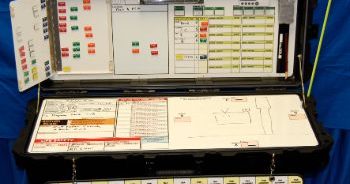
In the high-stakes world of EMS, error-free operations are crucial. Sophisticated tools, like EMS...
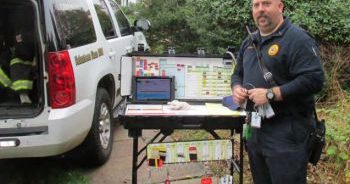
Magnetic command boards are a practical and flexible tool for organizing search-and-rescue missions. They...
In Emergency Medical Services (EMS), infection control is vital to protecting first responders and...
American Trade Mark Co. is committed to supporting first responders nationwide by providing valuable...
In the unpredictable environment of emergency response, ensuring EMS responders' safety in high-risk situations...
In the dynamic and demanding world of emergency response, every second counts. It's essential...
According to statistics from the National Institute for Occupational Safety & Health, many of...

First Responders should have five functional areas set up within their Incident Command Systems...
First responders go all out for their communities daily, without any thought of recognition,...
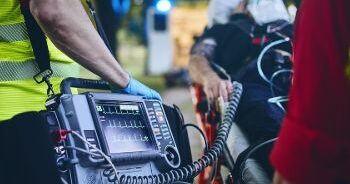
American Trade Mark provides mobile incident command systems to emergency responders nationwide. For EMS...

We live in a free country, where we can gather and make sure our...

Motor vehicle accidents happen every day. In order to protect first responders like firefighters,...

EMS and paramedics are often the first lines of help on an emergency scene....

American Trade Mark is committed to helping keep our first responders nationwide safe and...
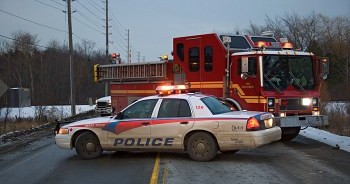
Track departments and communicate more efficiently with tools for coordinating emergency response from American...
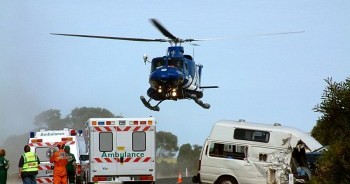
American Trade Mark knows what it means to develop strategies for EMS safety. Our...
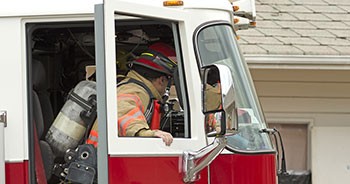
Don’t get caught off guard on your next emergency response call. At American Trade...
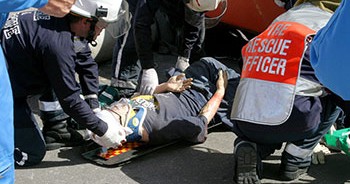
At American Trademark, we understand that to run an effective emergency response team it...

During a time when first responders are being asked to be prepared for more...
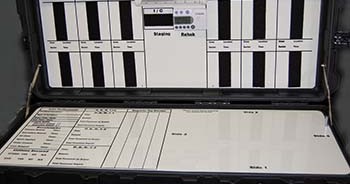
Count on EMS command boards from American Trade Mark to promote safety and accountability...
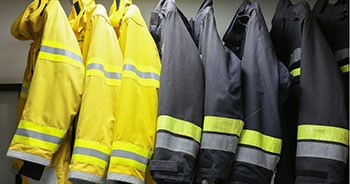
Equipment accountability is important for first responders which is why American Trade Mark offers accountability...

American Trade Mark specializes in the manufacturing of first responder scene safety products and...

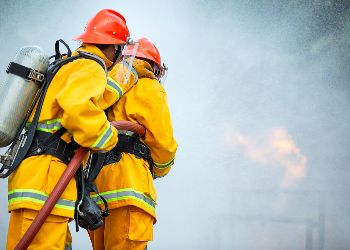







Here at American Trade Mark, we understand that choosing the right command board for...