
10 Warning Signs Your Fire Gear Should Be Pulled From Service
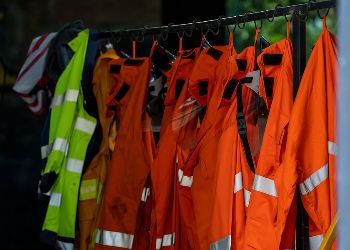
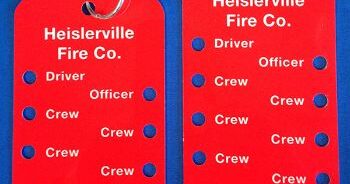
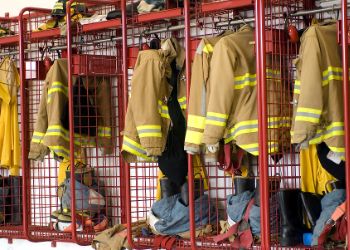
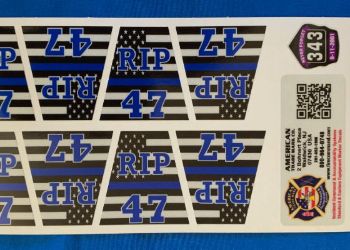
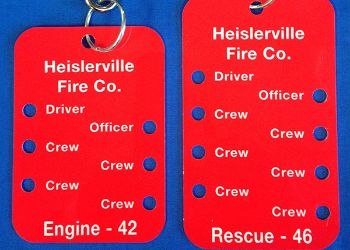
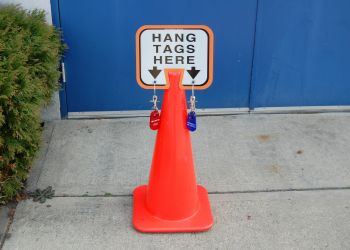
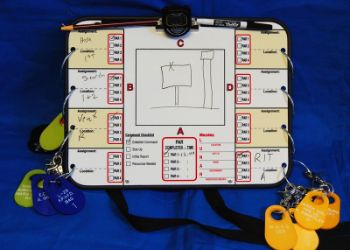
Proper maintenance and timely assessment of fire gear are crucial to ensure the safety of firefighters. Ignoring warning signs can lead to equipment failure, risking injury or worse. Using accountability tags or visual inspection markers can make it easier for crews and officers to quickly identify damaged or out-of-service gear during daily checks and before calls. Clearly marked equipment helps prevent unsafe gear from being overlooked or accidentally placed back into service.
- Visible Burn Marks
- Thin Or Worn Fabric
- Damaged Or Missing Reflective Strips
- Failing Fasteners
- Interior Liner Damage
- Persistent Odor
- Failed Moisture Barrier
- Seams Coming Apart
- Outdated To Safety Standards
- Extensive Chemical Damage
1. Visible Burn Marks
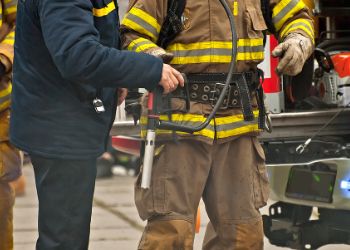
Burned marks on fire gear are clear indicators of severe damage. Such wear quickly compromises the protective qualities of materials and may lead to exposure hazards for firefighters. Update any gear promptly if you notice burn marks, including singeing, melting, charring, or areas where the outer shell has become brittle or discolored.
- Compromise In Material: Burn marks often lead to weakened fabric integrity.
- Increased Exposure Risk: Potential for thermal burns if fibers are damaged.
- Loss Of Protective Layer: Essential layers might be compromised, reducing safety.
2. Thin Or Worn Fabric
Wear on fabric is inevitable, especially in high-activity situations. Firefighting gear poses a significant safety risk once it becomes thin. Worn fabric decreases resistance to heat and chemicals, leaving firefighters vulnerable to injuries. Thin material offers less thermal protection and is more susceptible to rips.
3. Damaged Or Missing Reflective Strips
Gear reflective strips play a critical role in visibility, especially in low-light conditions. If they are damaged or missing, the likelihood of accidents increases. Reduced night visibility makes it harder for team members to spot each other in low-light conditions, as well as increases the risk for misidentification. These factors create a higher chance of accidents due to reduced overall visibility.
4. Failing Fasteners
Any missing or broken fastener compromises the fit and function of fire gear. This can lead to exposure or failure during critical moments. Gear may slip out of place during movement or close incorrectly, providing inadequate protection against heat or chemical spills.
5. Interior Liner Damage
The interior lining of fire gear is essential for comfort and safety. When deteriorated, it could reduce thermal protection and increase the risk of skin contact with harmful substances. Damaged linings also raise the risk of skin irritation and direct contact with harmful contaminants, and may allow hazardous liquids to penetrate through the gear, putting firefighters at greater risk during active incidents.
6. Persistent Odor
A persistent, foul odor in your gear signals contamination. They may also come from the presence of mold and mildew from trapped moisture. Both can pose serious health risks and may indicate that contaminants have penetrated the protective layers and cannot be fully removed through standard cleaning.
7. Failed Moisture Barrier
Moisture barriers perform a crucial function in protective gear for firefighters and other first responders by preventing water and chemicals from penetrating the fabric. These barriers are typically constructed from specialized materials that offer a combination of waterproof and chemical-resistant properties. If compromised, this greatly increases the danger to the firefighter:
- Increased Heat Retention: Heat trapped inside leads to overheating.
- Chemical Penetration Risk: Inadequate chemical protection can lead to injuries.
- Weight Due To Saturation: Saturated gear adds unnecessary weight and discomfort.
8. Seams Coming Apart
Seams hold gear together, and their failure can lead to catastrophic failures in protection. If seams show signs of weakness or damage, it’s necessary to replace the gear:
- Structural Failure: Weak seams may result in rips and tears.
- Lessened Durability: Gear becomes less durable and functional.
- Increased Maintenance Costs: Frequent repairs may become necessary.
9. Outdated To Safety Standards
Fire safety requirements evolve, and gear can become obsolete. Ensure your gear meets the latest safety requirements to protect your team effectively:
- Non-Compliance Risk: Failure to meet current standards compromises safety.
- Inferior Technology: Older gear may not include advanced safety features.
- Regulatory Non-Adherence: Possible regulatory issues arise from outdated gear.
10. Extensive Chemical Damage
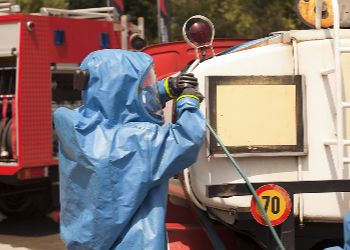
Exposure to harsh chemicals can deteriorate gear significantly. If gear shows signs of chemical deterioration, it’s time for replacement to maintain safety. Without replacement, there’s a higher risk of contaminant exposure. Certain chemicals including formaldehyde and cadmium may pose severe health dangers.
Stay Safe With Reliable Gear
Ensuring the safety and functionality of fire gear is non-negotiable for firefighting teams nationwide. Update and replace unsafe gear as part of regular safety practices to protect your team effectively. At American Trade Mark, our resources and products are designed to enhance safety and efficiency on the fireground. Equip your crew with the tools necessary for the job while ensuring compliance with current standards.
Related Posts
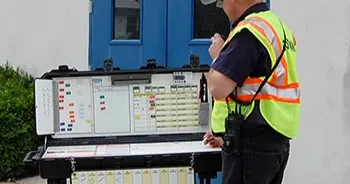
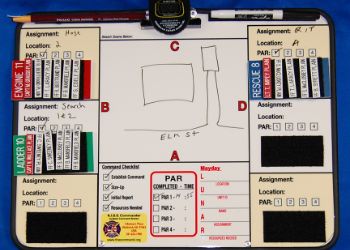
How command boards help track PAR checks in real time is a practical fireground...
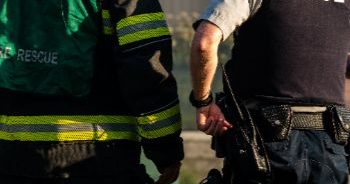
Managing mutual aid accountability across emergency departments in the United States is critical for...
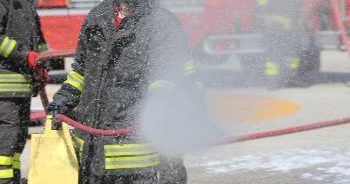
Fire hose testing helps ensure the safety and reliability of your firefighters' equipment during...
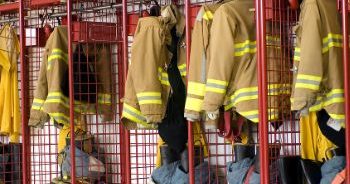
Firefighters are always on call, even when they’re not on the clock. Ensuring readiness...
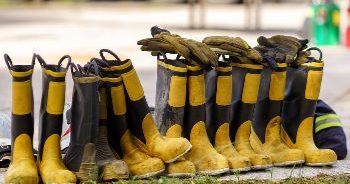
Across the United States, fire departments continually face challenges in effectively tracking and managing...
Managing a chemical spill involves numerous challenges, often requiring coordination across multiple agencies and...
Secondary collapses are one of the most dangerous threats firefighters face on the fireground....
Fireground safety is a given priority, but even the most experienced crew may overlook...
Fireground accountability is crucial for maintaining safety and efficiency during emergency operations. Despite rigorous...
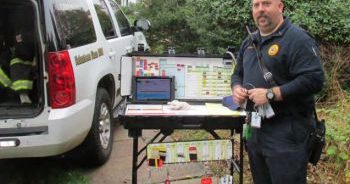
Magnetic command boards are a practical and flexible tool for organizing search-and-rescue missions. They...
American Trade Mark Co. is committed to supporting first responders nationwide by providing valuable...
In developing safe and effective responses to gas leaks nationwide, it is critical for...
Preserving a fire scene is important for helping first responders understand and investigate the...
Wildfire smoke poses significant risks to firefighter health, requiring rigorous safety protocols to minimize...
Ensuring firefighter safety through rigorous gear inspection and maintenance is fundamental to any fire...
Firefighting is a demanding profession that requires precision, quick decision-making, and coordinated efforts to...
Helmet decals are more than a means of identification or decoration for firefighters. These...
The importance of firefighter accountability tags cannot be overstated in the realms of fire...
Firefighting is a challenging profession where every second matters and can be the difference...
Firefighter equipment markers have a crucial role in ensuring fire services' safety and efficiency....
Ensuring firefighter safety amidst the challenges posed by electrical fires is a paramount concern...
Ensuring firefighter safety in high-risk industrial settings requires strict adherence to safety protocols and...
In the dynamic and demanding world of emergency response, every second counts. It's essential...

As the popularity of food trucks continues to grow, first responders need to have...
Incident command places immense pressure on your leadership team. Rapid decision-making during an emergency...
When emergencies strike, effective incident command strategies save lives. However, methods employed to manage...
Are you looking to improve your communications when deploying your incident command truck in...
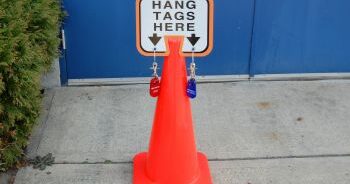
Crew-based accountability is essential for firefighters to do their job successfully, and accountability tags...
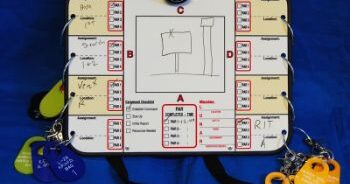
While training to send and receive mayday calls is part of every firefighter trainee's...
At American Trade Mark, we know just how grueling but rewarding a career in...
According to statistics from the National Institute for Occupational Safety & Health, many of...
Firefighters often arrive first on the scene of not only fires but national disasters...
Every day, firefighters risk their lives to save people and property, which makes implementing...

A building collapse situation has the potential for serious harm to emergency personnel with...
First Responders should have five functional areas set up within their Incident Command Systems...
At American Trade Mark we know firefighters encounter dangerous conditions on a consistent basis,...
First responders go all out for their communities daily, without any thought of recognition,...
COVID-19 has impacted our communities in every way. Surprisingly, however, despite warnings to distance...
Hotel and resort fires are unique because of the sheer size, height, and number...

Tracking first responders in hoarder home fires is crucial for safety, and at American...
Bolster your current wildfire fireground communications with incident command systems and tools from American...
Get, communicate with, and track the people and information you need during your next...
Limit chemical exposure hazards in your firefighters with accountability tags from American Trade Mark....
Improve your firefighter safety and survival rates with these nine tips from American Trade...
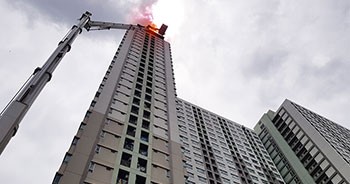
Face the uniquely difficult set of challenges involved in high rise firefighter safety with...
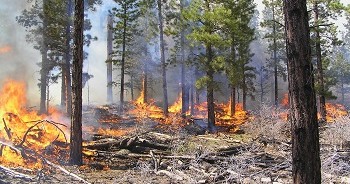
Whether you are on a dedicated woodland fire crew or IC for a structural...

During a time when first responders are being asked to be prepared for more...
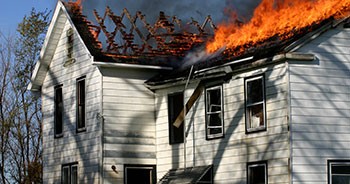
If you're wondering how to keep firefighters safe during defensive firefighting, count on the...
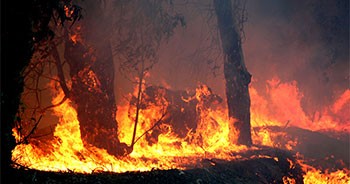
At American Trade Mark, we serve nationwide as a leading manufacturer of wildland fire...

At American Trademark, we want to help you with risk management and firefighter injury...
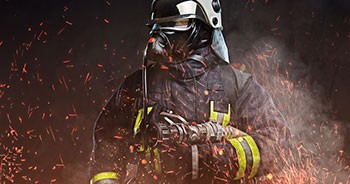
At American Trade Mark Co. our priority is helping you stay safe from common...
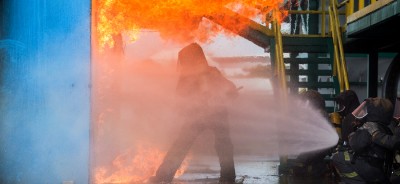
At American Trade Mark, all of our products are made with the safety of...
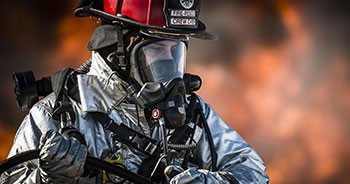
The most important job of the Incident Commander is firefighter scene safety. Communication, organization,...
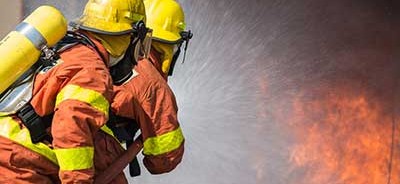
At American Trade Mark, we offer an effective range of accountability products geared towards...


If your department is looking for additional funding to ensure your firefighters have all...