
Why Teamwork Matters On Every Emergency Call
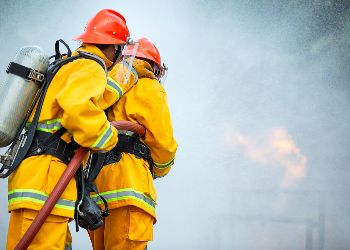
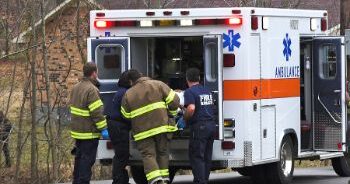
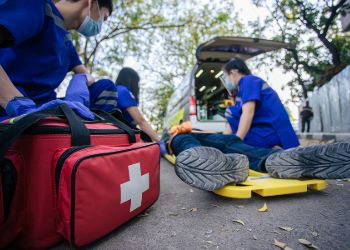
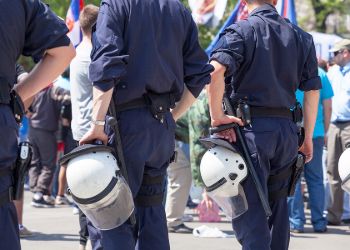
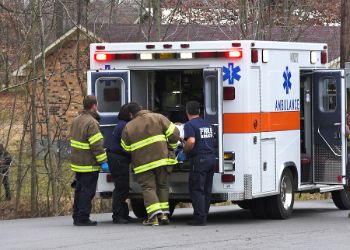
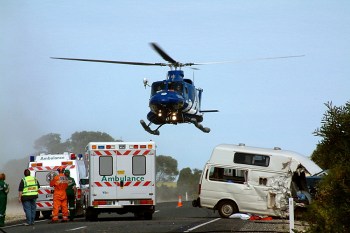
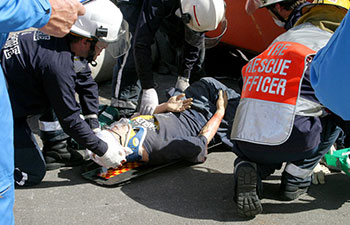
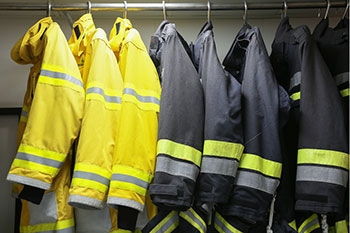
Teamwork plays a critical role in every emergency call handled by first responders, including firefighters, EMS personnel, and law enforcement officials. Effective cooperation and communication are critical in these high-stakes scenarios to ensure swift and safe outcomes. The collective efforts of trained professionals not only help manage incidents efficiently but also increase the chances of saving lives and property in an emergency response situation.
The Importance Of Communication In Emergency Situations
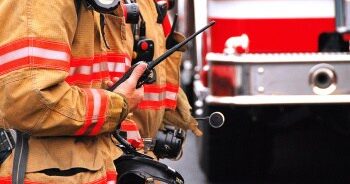
Communication is often the backbone of effective teamwork during emergency calls. First responders must exchange accurate and timely information to coordinate their efforts efficiently. Clear communication ensures that all participants understand their roles and responsibilities, minimizing confusion and errors at the incident scene.
- Safety: Sharing information about potential hazards or changes in the situation helps protect team members from unnecessary risks.
- Decision Making: Access to up-to-date information supports informed decision-making during critical moments.
- Feedback: Continuous communication provides opportunities for feedback, allowing for real-time adjustments and improvements in strategy.
Firefighter Equipment Tags For Accountability
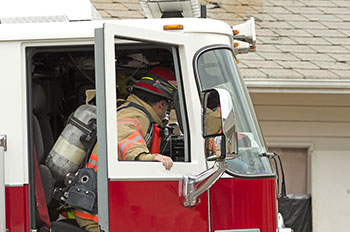
Personal responsibility plays a crucial role in emergency response and has a direct effect on the entire team’s performance. Firefighter equipment tags are an integral part of accountability systems, ensuring that departments account for all personnel during an incident.
- Identification: Equipment tags help quickly identify team members and their roles within the group.
- Tracking: Tags provide a reliable way to monitor personnel movement and location on the fireground.
- Coordination: Easy identification facilitates better coordination among team members, leading to more efficient task execution.
- Safety: In case of an emergency, knowing where each team member is located can be life-saving.
Building Trust Among First Responders
Trust is an essential component of effective teamwork, particularly in high-pressure situations that first responders face. When teammates trust each other, they are more likely to work cohesively and provide support in carrying out their duties. Strong interpersonal bonds enhance team cohesion, improving overall performance and ensuring a safer, more coordinated response on every call.
- Reliability: Knowing that every team member will fulfill their role builds confidence and allows for smoother coordination under pressure.
- Accountability: Teams built on trust hold each other responsible for safety, communication, and performance during operations.
- Support: Trust fosters mutual respect, enabling responders to step in and assist one another when challenges arise.
- Communication: Open, honest communication reduces misunderstandings and strengthens unity across departments.
- Resilience: Trusted teams recover from setbacks faster and maintain focus even in high-stress environments.
Stronger Teams Through Training & Clear Roles
Clearly defined roles are essential for smooth teamwork during emergencies. When each responder knows their duties, tasks are completed faster, resources are used effectively, and confusion is minimized. This structure keeps the firefighting team focused and unified, allowing everyone to work toward the same goal under pressure. Ongoing training and regular drills are critical in enhancing teamwork among first responders.
- Skill Development: Training enhances the skills required to perform efficiently in various scenarios.
- Preparedness: Drills simulate real emergencies, providing valuable experience in handling similar situations.
- Refinement: Practice allows teams to refine strategies and improve coordination.
- Confidence: Knowledge and experience derived from training build confidence in handling real emergencies.
Challenges In Maintaining Effective Teamwork
Despite the advantages, maintaining effective teamwork in emergency settings poses several challenges. Understanding and addressing these obstacles are key to fostering successful teams within first responder agencies.
- Communication Barriers: Noise, chaos, and high-pressure environments can impede effective communication.
- Resource Limitations: Limited resources can strain team dynamics and hinder the response.
- Cultural Differences: Diverse backgrounds and varying experiences can lead to misunderstandings.
- Stress and Fatigue: High-stress environments and fatigue can affect individual and team performance.
Enhance Firefighter Performance With Our Products
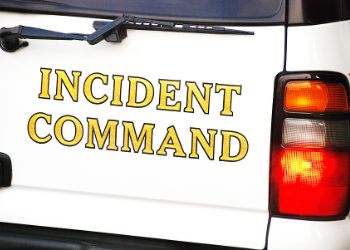
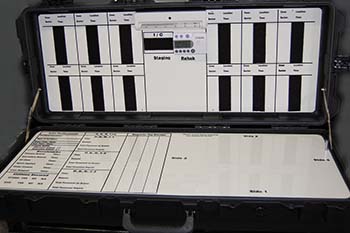
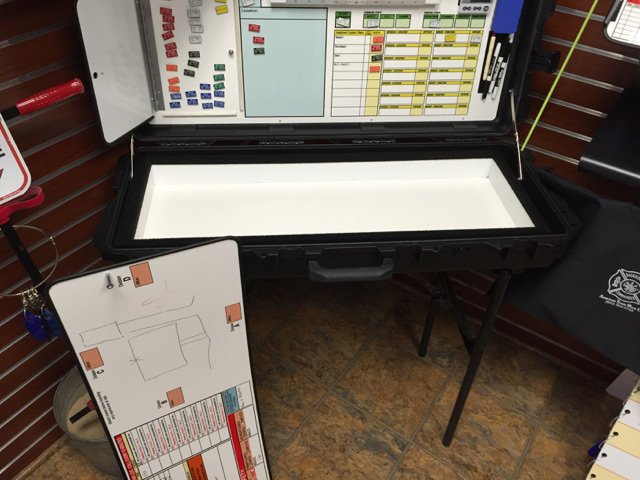
Elevate the efficiency and safety of your first responder team with our custom-printed incident command products, including accountability systems, equipment markers, and engraved tags. Investing in these essential tools allows for enhanced communication and resource coordination, crucial for exceptional performance during emergency calls. Explore our extensive e-commerce offerings and equip your team with the resources they need for optimal response to any call nationwide.
Related Posts
Fatigue management is a critical command responsibility in EMS. In a field where seconds...
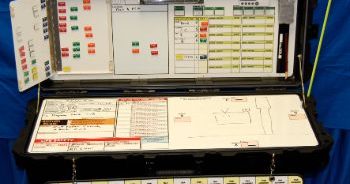
In the high-stakes world of EMS, error-free operations are crucial. Sophisticated tools, like EMS...
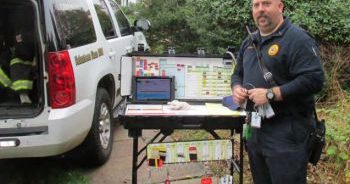
Magnetic command boards are a practical and flexible tool for organizing search-and-rescue missions. They...
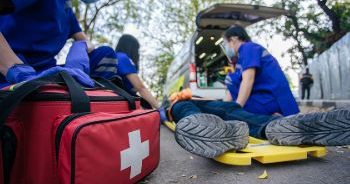
In Emergency Medical Services (EMS), infection control is vital to protecting first responders and...
American Trade Mark Co. is committed to supporting first responders nationwide by providing valuable...
In the unpredictable environment of emergency response, ensuring EMS responders' safety in high-risk situations...
In the dynamic and demanding world of emergency response, every second counts. It's essential...
According to statistics from the National Institute for Occupational Safety & Health, many of...
First Responders should have five functional areas set up within their Incident Command Systems...
First responders go all out for their communities daily, without any thought of recognition,...
American Trade Mark provides mobile incident command systems to emergency responders nationwide. For EMS...

We live in a free country, where we can gather and make sure our...
Motor vehicle accidents happen every day. In order to protect first responders like firefighters,...
EMS and paramedics are often the first lines of help on an emergency scene....
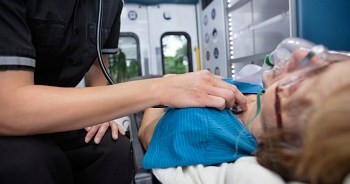
American Trade Mark is committed to helping keep our first responders nationwide safe and...
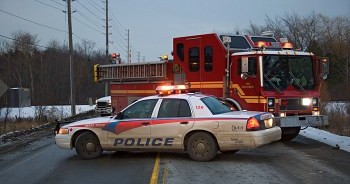
Track departments and communicate more efficiently with tools for coordinating emergency response from American...
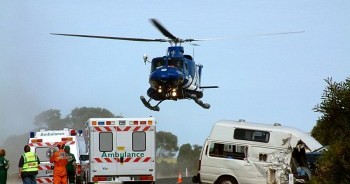
American Trade Mark knows what it means to develop strategies for EMS safety. Our...
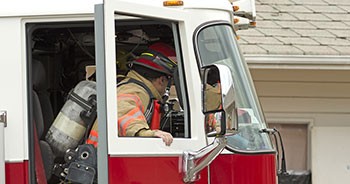
Don’t get caught off guard on your next emergency response call. At American Trade...
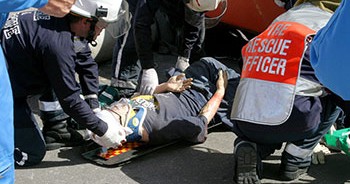
At American Trademark, we understand that to run an effective emergency response team it...

During a time when first responders are being asked to be prepared for more...
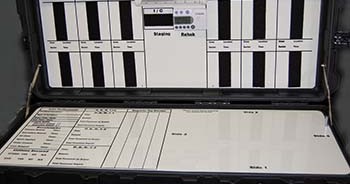
Count on EMS command boards from American Trade Mark to promote safety and accountability...
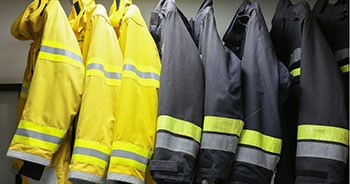
Equipment accountability is important for first responders which is why American Trade Mark offers accountability...
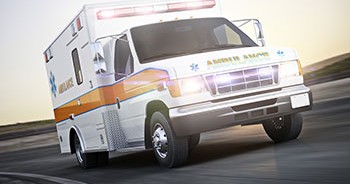
American Trade Mark specializes in the manufacturing of first responder scene safety products and...
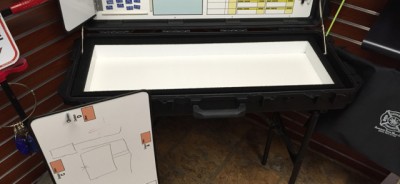
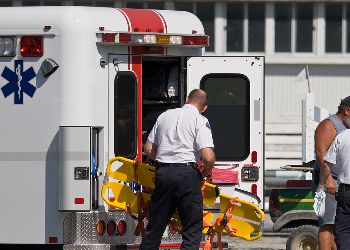
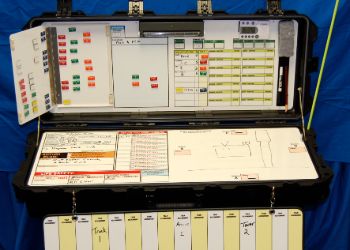
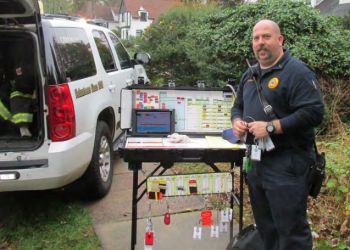
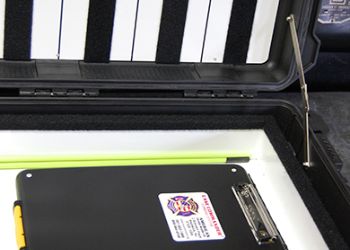


Here at American Trade Mark, we understand that choosing the right command board for...