
Readiness Never Rests: Habits That Keep Firefighters Prepared Off Shift
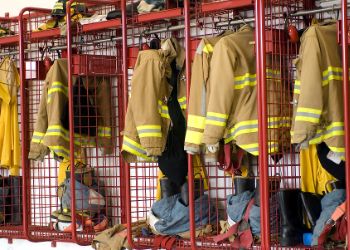
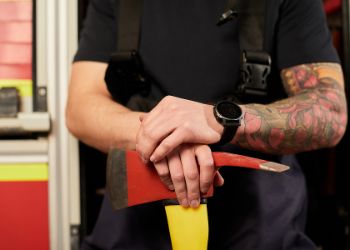
Firefighters are always on call, even when they’re not on the clock. Ensuring readiness during off-shifts is as crucial as active duty because emergencies can occur at any moment. Fostering a lifestyle that prioritizes preparedness, maintenance, and wellness can significantly impact performance in high-pressure scenarios.
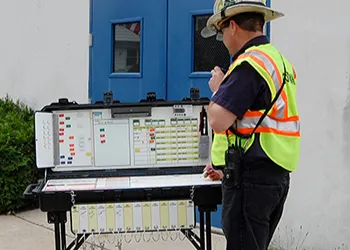
Preparedness is more than having your equipment ready — it’s about keeping your body, mind, and instincts sharp long after the shift ends. That readiness even extends to how you organize and label your gear. Every detail matters when seconds count.
Physical Readiness & Its Critical Role
Physical fitness is foundational to a firefighter’s capability to perform demanding tasks. Staying in shape off shift ensures readiness for when duty calls unexpectedly. This involves structured exercise routines and a healthy lifestyle. Adjusting fitness programs to address injury, improve specific skills, or prepare for upcoming tasks or challenges is crucial, as is making other healthy choices.
- Consistent Exercise Regimen: A good firefighter workout routine combines cardiovascular exercise, strength training, and flexibility for peak performance.
- Nutritional Balance: Fuel the body with balanced, nutritious meals that sustain energy levels for long periods of activity.
- Rest & Recovery: Make a habit of prioritizing rest and recovery with adequate sleep and stress management techniques.
Mental Health Strategies For Firefighters
Mental preparedness is as important as physical fitness in firefighting. The high-stakes, stressful nature of the job means maintaining mental health off shift is crucial for effective performance. Consider mental health evaluations to identify stressors and address psychological challenges before they affect job performance. If any serious issues arise, seek professional guidance to address any serious mental health concerns, ensuring access to professional resources as needed.
The Importance Of Firefighter ID Tags & Equipment Labels
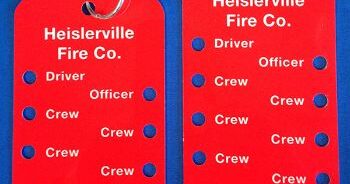
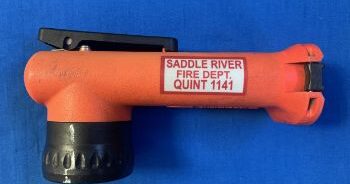
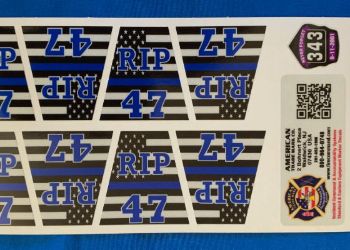
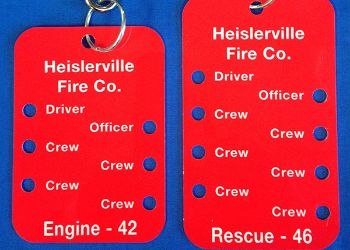
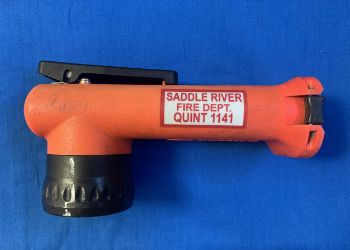
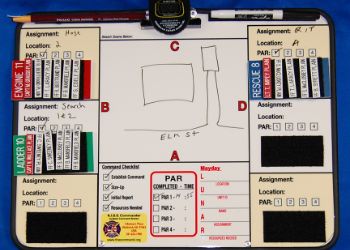
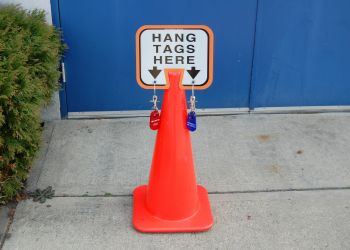
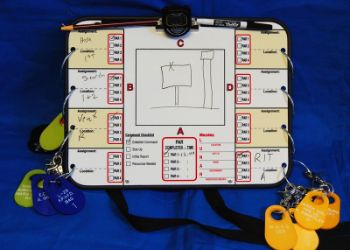
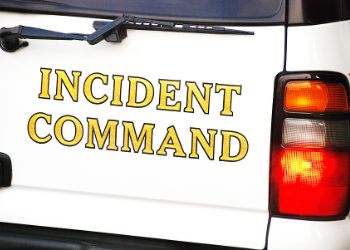
While physical and mental readiness are paramount, equipment readiness is just as important. Maintaining an organized and readily accessible set of tools is vital for an effective response. Both firefighter ID tags and equipment labels are critical in ensuring quick identification and accountability, streamlining incident command operations. These tools are not only practical but can enhance safety and efficiency by offering several benefits.
- Identification In Chaos
- Equipment Accountability
- Enhanced Coordination
- Durability & Customization
Don’t Neglect Routine Equipment Maintenance
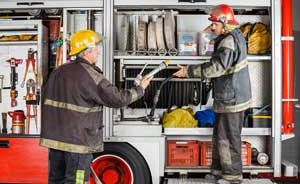
Regular maintenance of firefighting equipment is non-negotiable. Practice proper care and timely checks of gear to ensure functionality during emergencies. Scheduling routine inspections and following checklists helps in identifying issues before they become critical. Consider valuable maintenance.
- Scheduled Inspections: Establish a recurring schedule for checking all equipment, focusing on critical items such as hoses, breathing apparatus, and personal protective equipment (PPE).
- Record Keeping: Maintain detailed records of all inspections and maintenance activities to track equipment performance and identify trends or repetitive issues.
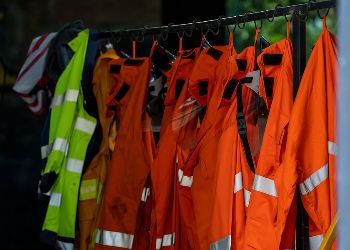
- Cleaning & Storage: Clean all equipment per manufacturer guidelines and store it properly to prevent damage and prolong its lifespan.
- Training & Knowledge: Educate all team members on maintenance protocols to ensure consistent and thorough inspections.
Stay Prepared With Us Nationwide
Cultivating these habits ensures that firefighters are prepared, whether on the job or off shift. Our commitment to providing cutting-edge tools like firefighter ID tags and equipment labels supports your relentless dedication to readiness and safety. For more resources and products designed to enhance your preparation, explore our options nationwide. Together, we can enhance safety and efficiency in all that you do.
Related Posts
How command boards help track PAR checks in real time is a practical fireground...
Managing mutual aid accountability across emergency departments in the United States is critical for...
Fire hose testing helps ensure the safety and reliability of your firefighters' equipment during...
Proper maintenance and timely assessment of fire gear are crucial to ensure the safety...
Across the United States, fire departments continually face challenges in effectively tracking and managing...
Managing a chemical spill involves numerous challenges, often requiring coordination across multiple agencies and...
Secondary collapses are one of the most dangerous threats firefighters face on the fireground....
Fireground safety is a given priority, but even the most experienced crew may overlook...
Fireground accountability is crucial for maintaining safety and efficiency during emergency operations. Despite rigorous...
Magnetic command boards are a practical and flexible tool for organizing search-and-rescue missions. They...
American Trade Mark Co. is committed to supporting first responders nationwide by providing valuable...
In developing safe and effective responses to gas leaks nationwide, it is critical for...
Preserving a fire scene is important for helping first responders understand and investigate the...
Wildfire smoke poses significant risks to firefighter health, requiring rigorous safety protocols to minimize...
Ensuring firefighter safety through rigorous gear inspection and maintenance is fundamental to any fire...
Firefighting is a demanding profession that requires precision, quick decision-making, and coordinated efforts to...
Helmet decals are more than a means of identification or decoration for firefighters. These...
The importance of firefighter accountability tags cannot be overstated in the realms of fire...
Firefighting is a challenging profession where every second matters and can be the difference...
Firefighter equipment markers have a crucial role in ensuring fire services' safety and efficiency....
Ensuring firefighter safety amidst the challenges posed by electrical fires is a paramount concern...
Ensuring firefighter safety in high-risk industrial settings requires strict adherence to safety protocols and...
In the dynamic and demanding world of emergency response, every second counts. It's essential...

As the popularity of food trucks continues to grow, first responders need to have...
Incident command places immense pressure on your leadership team. Rapid decision-making during an emergency...
When emergencies strike, effective incident command strategies save lives. However, methods employed to manage...
Are you looking to improve your communications when deploying your incident command truck in...
Crew-based accountability is essential for firefighters to do their job successfully, and accountability tags...
While training to send and receive mayday calls is part of every firefighter trainee's...
At American Trade Mark, we know just how grueling but rewarding a career in...
According to statistics from the National Institute for Occupational Safety & Health, many of...
Firefighters often arrive first on the scene of not only fires but national disasters...
Every day, firefighters risk their lives to save people and property, which makes implementing...

A building collapse situation has the potential for serious harm to emergency personnel with...
First Responders should have five functional areas set up within their Incident Command Systems...
At American Trade Mark we know firefighters encounter dangerous conditions on a consistent basis,...
First responders go all out for their communities daily, without any thought of recognition,...
COVID-19 has impacted our communities in every way. Surprisingly, however, despite warnings to distance...
Hotel and resort fires are unique because of the sheer size, height, and number...

Tracking first responders in hoarder home fires is crucial for safety, and at American...
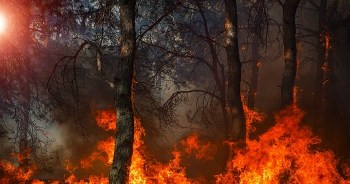
Bolster your current wildfire fireground communications with incident command systems and tools from American...
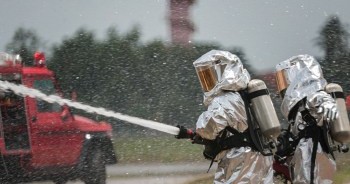
Get, communicate with, and track the people and information you need during your next...

Limit chemical exposure hazards in your firefighters with accountability tags from American Trade Mark....
Improve your firefighter safety and survival rates with these nine tips from American Trade...
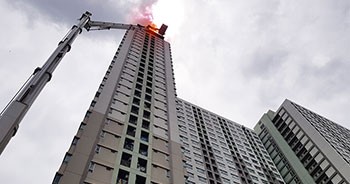
Face the uniquely difficult set of challenges involved in high rise firefighter safety with...
Whether you are on a dedicated woodland fire crew or IC for a structural...

During a time when first responders are being asked to be prepared for more...
If you're wondering how to keep firefighters safe during defensive firefighting, count on the...
At American Trade Mark, we serve nationwide as a leading manufacturer of wildland fire...

At American Trademark, we want to help you with risk management and firefighter injury...
At American Trade Mark Co. our priority is helping you stay safe from common...
At American Trade Mark, all of our products are made with the safety of...
The most important job of the Incident Commander is firefighter scene safety. Communication, organization,...
At American Trade Mark, we offer an effective range of accountability products geared towards...


If your department is looking for additional funding to ensure your firefighters have all...