
What To Include In A Fire Department Accountability Standard Operating Guideline
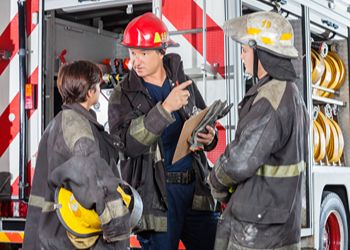
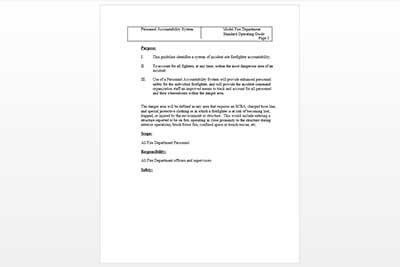
A fire department accountability standard operating guideline gives departments across the USA a consistent way to track personnel during emergency operations. Your SOG should establish when accountability begins, who manages the process, how crews report changes, and what command must do when a responder cannot be located.
Define The Purpose & Scope Of The SOG
Begin with a clear purpose for the accountability system. The scope should identify which personnel and operations fall under the guideline. Don’t limit accountability to interior structure fires.
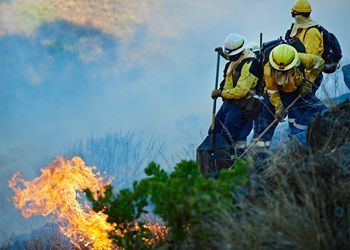
Departments may need formal tracking during hazardous materials responses, technical rescues, wildland incidents, and other complex operations.
- Emergency Incidents
- Training Exercises
- Mutual-Aid Responses
- Hazardous Operational Areas
- Staging And Rehabilitation
- Incident Demobilization
Establish When Fireground Accountability Begins
Your SOG should state when personnel enter and leave the accountability system. Tracking generally begins when a unit arrives and continues until command formally releases it from the incident.
Explain where personnel report and how the initial incident commander tracks crews before assigning a dedicated accountability officer. The procedure should also cover chief officers, investigators, off-duty responders, and mutual-aid personnel who arrive outside the regular apparatus response.
Assign Clear Accountability Responsibilities
The incident commander holds overall responsibility for fireground accountability, but the SOG should distribute specific duties throughout the command structure. One accountability officer cannot independently verify every responder’s location and condition.
Division and group supervisors track the companies assigned to them. Company officers maintain crew integrity and monitor individual members. Each responder must follow check-in procedures, remain with the assigned crew, and report changes through the proper supervisor.
- Incident Commander
- Accountability Officer
- Division & Group Supervisors
- Staging Officer
- Company Officers
- Individual Responders
- Dispatch Personnel
Standardize Accountability Tags & Command Boards
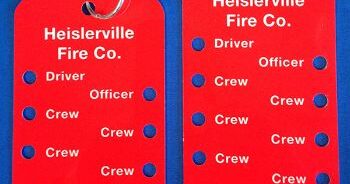
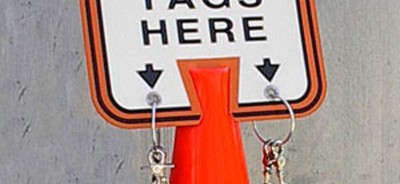
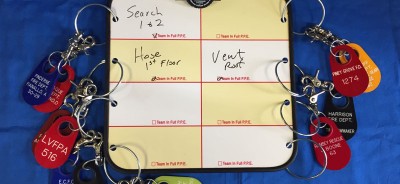
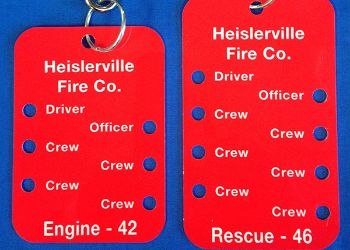
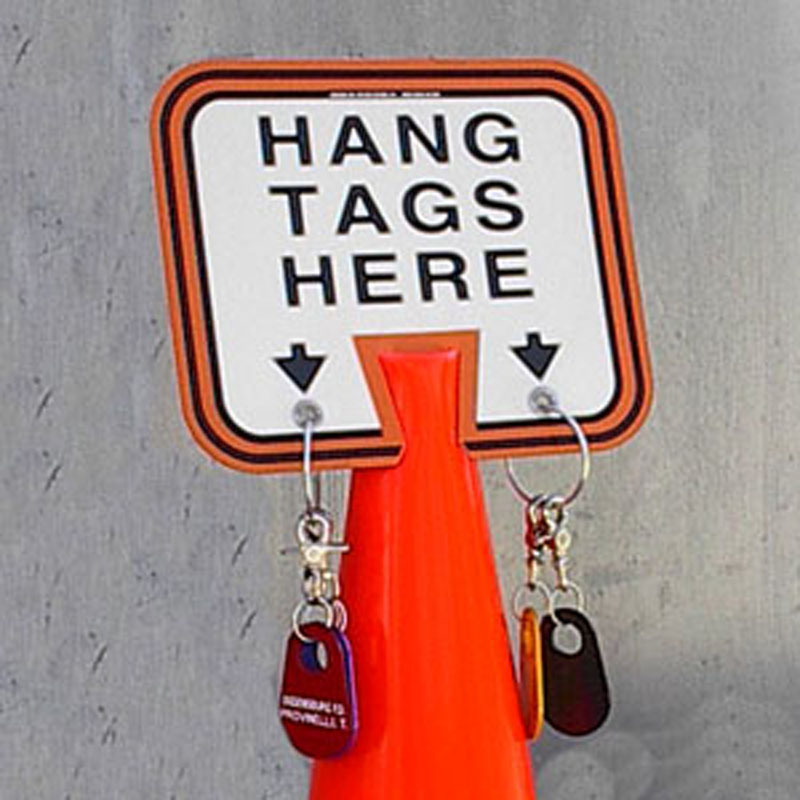
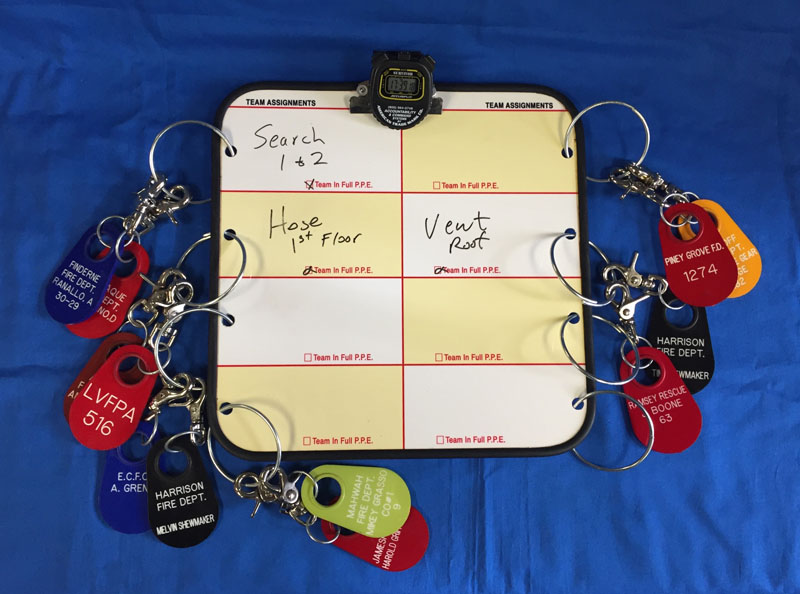
Document how personnel use accountability tags, passports, or other identification markers. Specify how many tags each member receives, where they keep them during response, and where they place them upon arrival.
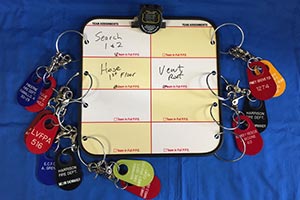
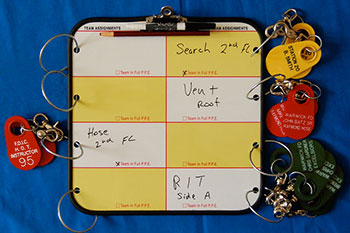
Connect every tag transfer to a specific action. Depending on the department’s system, personnel may place tags on a company passport, apparatus collection ring, entry-control board, or incident command board.
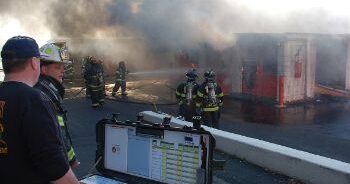
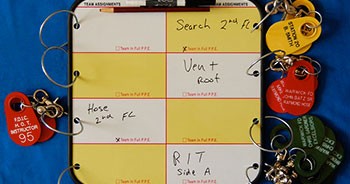
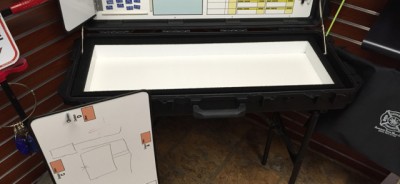
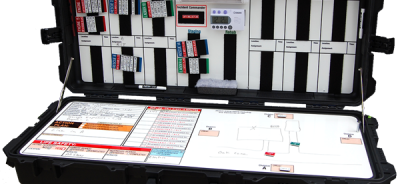
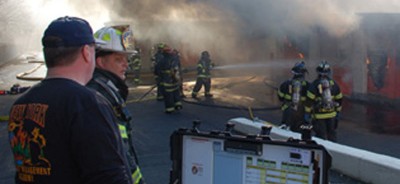
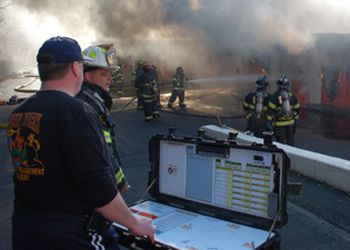
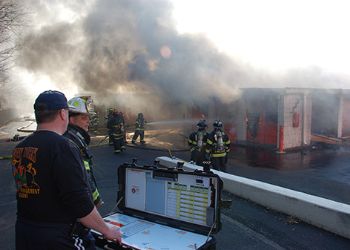
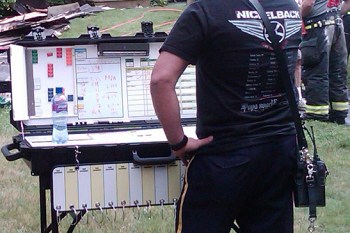
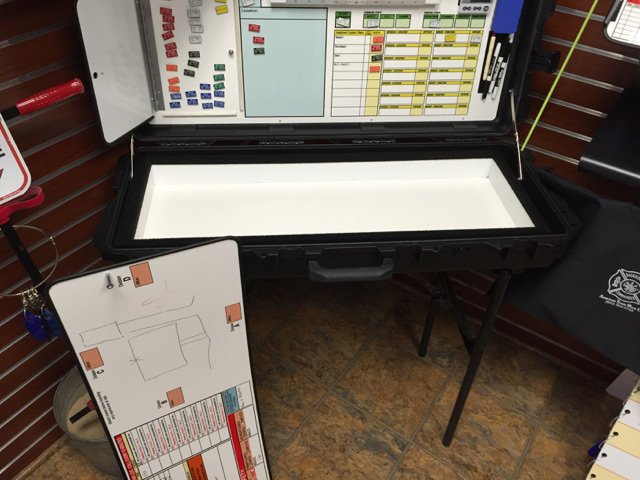
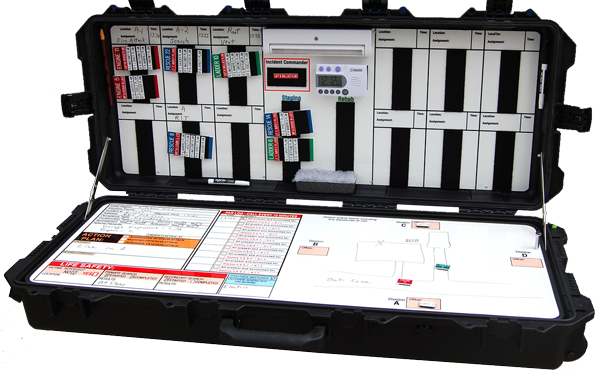
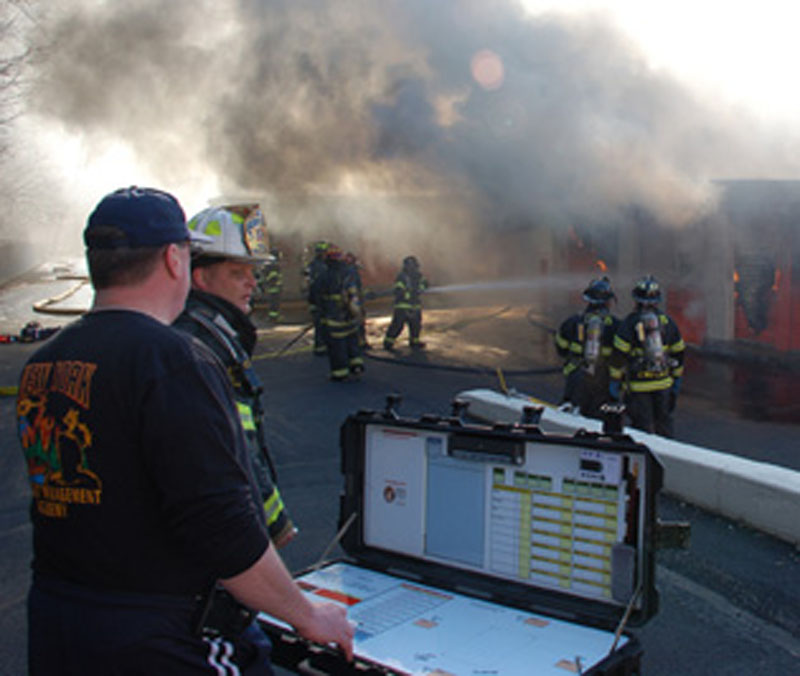
Command boards should show which units have arrived, their personnel, their assignments, and their operating locations. The SOG should identify who updates the board and how that person records transfers, rehabilitation, and other status changes.
Establish Personnel Accountability Report Procedures
A personnel accountability report confirms the status of crews assigned to the incident. The SOG should identify the events that require a PAR while allowing the incident commander to order one whenever conditions warrant it.
Division and group supervisors can confirm their assigned crews before reporting to command. This structure reduces unnecessary radio traffic and allows the incident commander to collect information through the established chain of command.
A successful PAR requires positive confirmation of every assigned member. Accountability tags and last-known assignments provide tracking information, but they don’t replace visual or verbal confirmation.
- Mayday Transmission
- Emergency Evacuation
- Building Collapse
- Sudden Change In Fire Conditions
- Switch From Offensive To Defensive Operations
- Missing Or Separated Responder
- Significant Tactical Benchmark
- Transfer Of Command
Connect Accountability With Emergency Procedures
Your accountability SOG should coordinate with the department’s Mayday, rapid intervention, and evacuation procedures. Command needs immediate access to a missing responder’s name, crew, assignment, supervisor, and last-known location.
Specify who will continue managing the command board while the incident commander handles the emergency. A Mayday often produces heavy radio traffic and rapid tactical changes, making dedicated accountability support especially important.
During an evacuation, crews should withdraw together, report to the designated collection point, and complete a PAR. Leaving the hazard area does not complete the process. Command must positively confirm that all affected personnel reached safety.
Address Mutual Aid & Equipment Failures
Mutual-aid companies may arrive with different tags, passports, or reporting practices. The SOG should explain how outside agencies check in and how your personnel operate when another department controls the incident.
Portable command boards with blank fields can help accountability personnel add outside companies without delaying their deployment. Departments can also keep spare tags, removable labels, and weather-resistant forms available for incompatible systems.
Cover Rehabilitation & Demobilization
Accountability continues after a crew exits the hazard area. The SOG should explain how personnel record rehabilitation, reserve status, medical transport, reassignment, and release from the scene.
Company officers should confirm their members before returning to operations or leaving the incident. They should also retrieve accountability tags or passports through the department’s established process. No unit should depart while the command board still shows its personnel in an active assignment.
Train With The SOG & Review Its Performance
Personnel need regular practice with the procedures and products they will use during emergencies. Incorporate fireground accountability into company drills, command simulations, Mayday exercises, and mutual-aid training.
Review system performance after significant incidents and exercises. Delayed tag transfers, unclear duties, inaccurate command board entries, and missed PAR benchmarks can reveal where the department needs to revise its procedure or equipment.
Support Your Accountability SOG With The Right Equipment
American Trade Mark Co. offers custom command boards, engraved accountability tags, and complete firefighter accountability systems that help departments put their SOGs into practice. Explore our site to find products that fit your incident command procedures.
Related Posts
Accountability considerations for wildland and brush fire operations across the United States start with...
Choosing custom firefighter plaques gives your department a lasting way to recognize service, leadership,...
Across the United States, fire departments rely on structured systems like firefighter ID tags,...
Fire departments across the United States rely on the National Incident Management System (NIMS)...
Firefighting is a demanding profession that requires precision, quick decision-making, and coordinated efforts to...
The importance of firefighter accountability tags cannot be overstated in the realms of fire...
Is your community adding a mobile command center to your emergency services garage? What...
According to statistics from the National Institute for Occupational Safety & Health, many of...
Firefighter Safety is a multi-agency effort, so our New Jersey-based American Trade Mark Company...
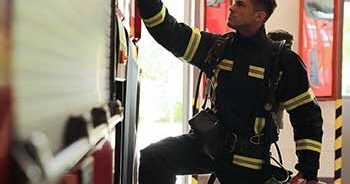
Our team at the New Jersey-based American Trade Mark company knows that a firefighter’s...
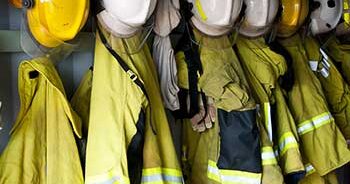
American Trade Mark wants to ensure that every hero gets home safely, which is...
During a time of mask-wearing and social distancing are firefighters really at risk? After...
Share information quickly and clearly in an emergency. Efficient resource allocation, firefighter safety, and...
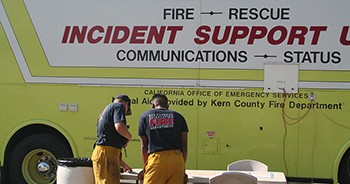
Firefighters put their lives on the line day in and day out, year after...
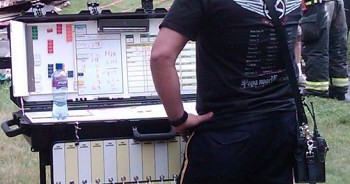
At American Trade Mark, we manufacture and distribute custom products and accessories to compliment...
At American Trade Mark, we offer incident command boards for departments of all sizes...
Ensuring effective fireground communications for both firefighters and incident command with strategic planning and...
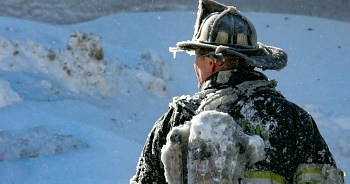
Improve fireground communication and firefighter safety with fire department communication tips for bad weather...

At American Trade Mark, we understand that the incident commander and incident safety officer...
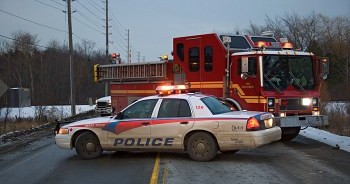
Track departments and communicate more efficiently with tools for coordinating emergency response from American...
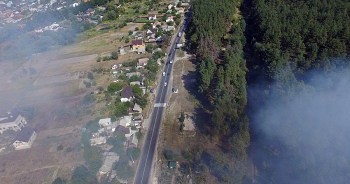
As fires in the wildland-urban interface continue to rise, so do the demands on...
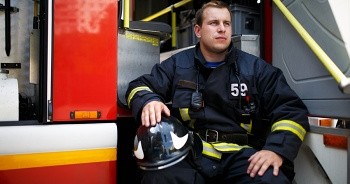
We want to help incident commanders find ways to reduce firefighter stress with tips...
As a nationwide provider of firefighter accountability and incident command equipment, American Trade Mark...
Before diving head first into the latest and perceived greatest, at American Trade Mark,...
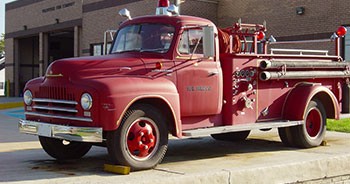
Incident command and firefighter safety have come a long way since Benjamin Franklin’s 1736...
Don’t get caught off guard on your next emergency response call. At American Trade...
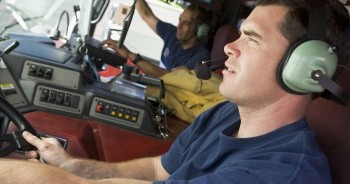
At American Trademark we've put together some high-stress fireground communication tips for when your...
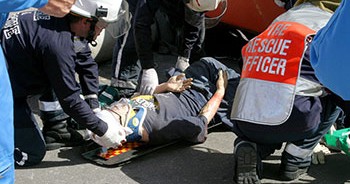
At American Trademark, we understand that to run an effective emergency response team it...
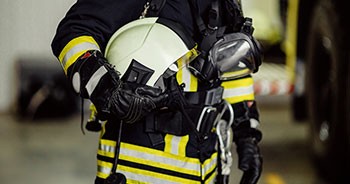
At American Trademark, we've put together a list of useful tips for accountability officers....
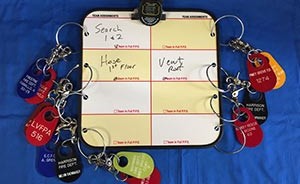
At American Trademark, we want to make sure that you are aware of how...
When you’re a firefighter, everyone looks out for everyone else by wearing ID tags—and...
Equipment accountability is important for first responders which is why American Trade Mark offers accountability...
American Trade Mark specializes in the manufacturing of first responder scene safety products and...
As an industry leader in products dedicated to fire personnel tracking and accountability plan...
Here at American Trade Mark, we understand that choosing the right command board for...
American Trade Mark Co. is a well-known leader in the firefighter accountability system field...

At American Trade Mark, we serve communities by making it possible to keep track...
Enhance your fire department’s personnel accountability system with American Trade Mark Co. accountability tag...
Firefighter tracking systems are a vital part of first responder safety. They help Incident...
Firefighter status boards are an essential part of managing successful fire ground operations. American...