
How Fire Departments Track & Manage Duty Gear Replacement Costs
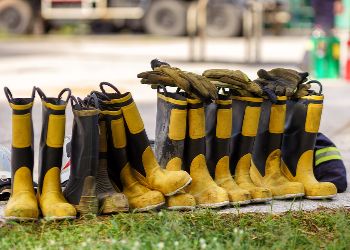
Across the United States, fire departments continually face challenges in effectively tracking and managing duty gear replacement costs. Firefighter safety equipment requires a substantial budget for purchase and maintenance. Because these expenses often make up a significant portion of the overall municipal services budget, departments must carefully balance safety priorities with financial responsibility.
Understanding the true cost of firefighter duty gear, as well as implementing efficient tracking systems, can make a substantial difference in managing these expenses without risking safety or operational efficiency.
The True Cost Of Firefighter Duty Gear
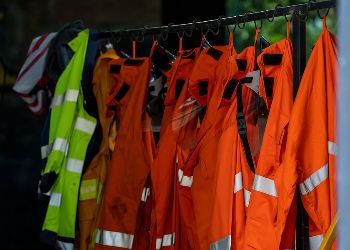
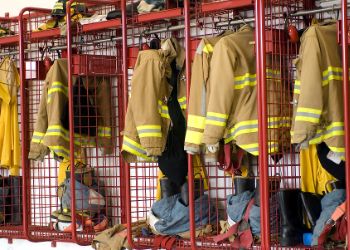
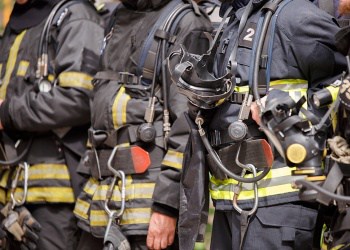
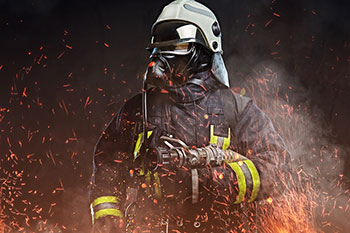
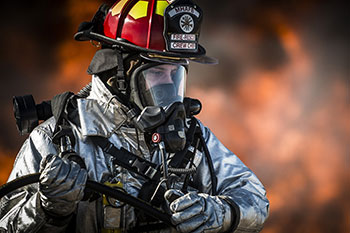
Firefighter duty gear includes a wide array of equipment, each with a crucial role in ensuring personnel safety and effectiveness. The true cost is beyond the upfront purchase price. It also includes replacement, maintenance, and other indirect costs. When departments evaluate their finances, it’s important to look beyond the upfront purchase and instead account for the full lifecycle of the gear.
- Initial Purchase Cost: The base price paid for the gear. Items like helmets, turnout gear, boots, and gloves represent a notable upfront investment.
- Maintenance: Ongoing care and servicing to ensure equipment remains in optimal condition. Regular maintenance can extend the life of the gear, thus offsetting some replacement costs.
- Replacement Costs: Scheduled or unscheduled replacements due to wear and tear, damage, or outdated technology. Even when gear appears serviceable, it cannot be used indefinitely.
According to the National Fire Protection Association NFPA 1851, the national standard for the selection, care, and maintenance of firefighter protective ensembles, turnout gear must be inspected regularly and replaced at least every 10 years, regardless of condition.
Tracking Firefighting Gear With Effective Systems
A robust tracking system is essential for fire departments to manage their gear effectively. Proper tracking helps forecast needs, allocate budgets, and support audits. Without organized systems, it’s easy to lose track of gear condition, replacement timelines, and budget needs. By combining accountability measures, digital tools, and regular checks, departments can keep equipment in service longer while planning ahead for replacements.
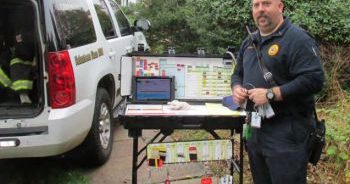
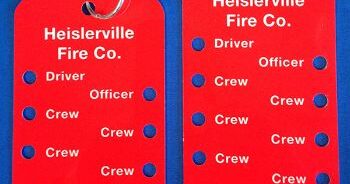
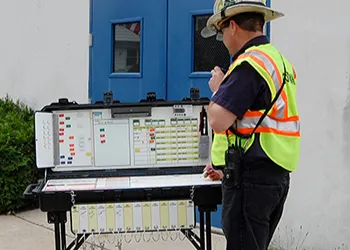
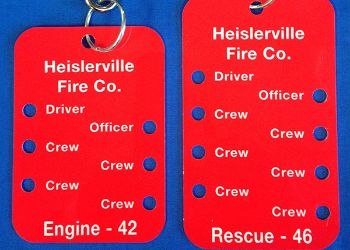
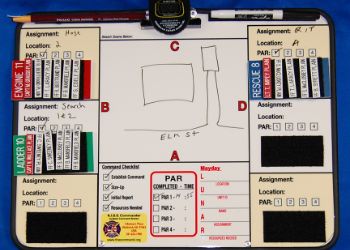
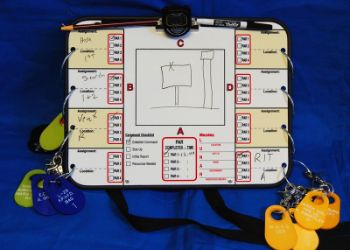
- Accountability Systems: These systems use tools like fire equipment tags and on-site checks to record the condition and use of each item.
- Inventory Management Software: Digitally monitors gear from purchase through its lifecycle, aiding in proactive management.
- Scheduled Audits: Regular audits help verify the current state of gear, ensuring replacements occur as necessary.
Fire Equipment Tags For Monitoring & Accountability
Fire equipment tags have become invaluable for gear management. These tags make it easy to record inspections, track maintenance history, and document when gear is nearing the end of its service life. Together, these features improve accountability, streamline scheduling, and help departments reduce long-term replacement costs.
Budgeting & Funding Gear Replacement
Managing firefighting duty gear replacement starts with a clear budget plan. Departments need to prepare for routine expenses while also leaving room for unexpected costs. A smart financial strategy makes sure resources are available when gear reaches the end of its life.
- Forecasting Costs: Use historical data to predict future expenses and plan accordingly.
- Contingency Funds: Set aside part of the budget for unexpected replacements to avoid operational disruptions.
- Capital Investment: Regularly review allocations, so you can invest in high-quality equipment that saves money over time.
- Cost-Benefit Analysis: Weigh the upfront cost of premium gear against the long-term savings it provides.
- Grants and Funding: Take advantage of federal, state, and local grants to offset expenses.
- Lifecycle Costing: Consider the total cost of each item over its entire lifespan to get a full picture of expenses.
Empowering Fire Departments With Better Gear Management
Effectively managing the replacement costs of duty gear is a complex yet critical task for fire departments nationwide. By leveraging comprehensive tracking systems, strategically managing gear replacements, and adopting sound fiscal strategies, departments can optimize their equipment investment, enhance safety, and maintain operational efficiency. Stay ahead of the demands of modern firefighting by ensuring your fire department is prepared to meet the challenges of gear management with the support of specialized solutions from experts like American Trade Mark Co.
Related Posts
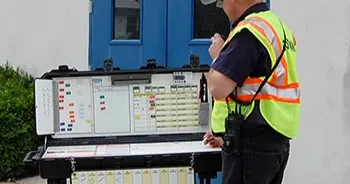
How command boards help track PAR checks in real time is a practical fireground...
Managing mutual aid accountability across emergency departments in the United States is critical for...
Fire hose testing helps ensure the safety and reliability of your firefighters' equipment during...
Proper maintenance and timely assessment of fire gear are crucial to ensure the safety...
Firefighters are always on call, even when they’re not on the clock. Ensuring readiness...
Managing a chemical spill involves numerous challenges, often requiring coordination across multiple agencies and...
Secondary collapses are one of the most dangerous threats firefighters face on the fireground....
Fireground safety is a given priority, but even the most experienced crew may overlook...
Fireground accountability is crucial for maintaining safety and efficiency during emergency operations. Despite rigorous...
Magnetic command boards are a practical and flexible tool for organizing search-and-rescue missions. They...
American Trade Mark Co. is committed to supporting first responders nationwide by providing valuable...
In developing safe and effective responses to gas leaks nationwide, it is critical for...
Preserving a fire scene is important for helping first responders understand and investigate the...
Wildfire smoke poses significant risks to firefighter health, requiring rigorous safety protocols to minimize...
Ensuring firefighter safety through rigorous gear inspection and maintenance is fundamental to any fire...
Firefighting is a demanding profession that requires precision, quick decision-making, and coordinated efforts to...
Helmet decals are more than a means of identification or decoration for firefighters. These...
The importance of firefighter accountability tags cannot be overstated in the realms of fire...
Firefighting is a challenging profession where every second matters and can be the difference...
Firefighter equipment markers have a crucial role in ensuring fire services' safety and efficiency....
Ensuring firefighter safety amidst the challenges posed by electrical fires is a paramount concern...
Ensuring firefighter safety in high-risk industrial settings requires strict adherence to safety protocols and...
In the dynamic and demanding world of emergency response, every second counts. It's essential...

As the popularity of food trucks continues to grow, first responders need to have...
Incident command places immense pressure on your leadership team. Rapid decision-making during an emergency...
When emergencies strike, effective incident command strategies save lives. However, methods employed to manage...
Are you looking to improve your communications when deploying your incident command truck in...
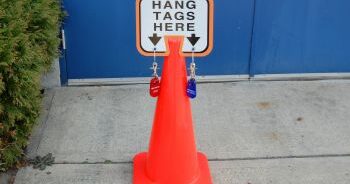
Crew-based accountability is essential for firefighters to do their job successfully, and accountability tags...
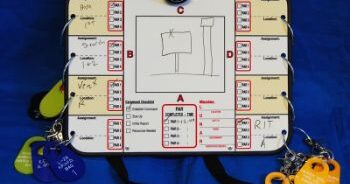
While training to send and receive mayday calls is part of every firefighter trainee's...
At American Trade Mark, we know just how grueling but rewarding a career in...
According to statistics from the National Institute for Occupational Safety & Health, many of...
Firefighters often arrive first on the scene of not only fires but national disasters...
Every day, firefighters risk their lives to save people and property, which makes implementing...

A building collapse situation has the potential for serious harm to emergency personnel with...
First Responders should have five functional areas set up within their Incident Command Systems...
At American Trade Mark we know firefighters encounter dangerous conditions on a consistent basis,...
First responders go all out for their communities daily, without any thought of recognition,...
COVID-19 has impacted our communities in every way. Surprisingly, however, despite warnings to distance...
Hotel and resort fires are unique because of the sheer size, height, and number...

Tracking first responders in hoarder home fires is crucial for safety, and at American...
Bolster your current wildfire fireground communications with incident command systems and tools from American...
Get, communicate with, and track the people and information you need during your next...

Limit chemical exposure hazards in your firefighters with accountability tags from American Trade Mark....
Improve your firefighter safety and survival rates with these nine tips from American Trade...
Face the uniquely difficult set of challenges involved in high rise firefighter safety with...
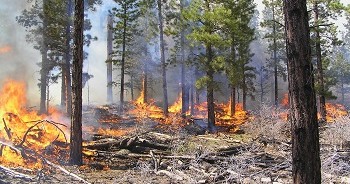
Whether you are on a dedicated woodland fire crew or IC for a structural...

During a time when first responders are being asked to be prepared for more...
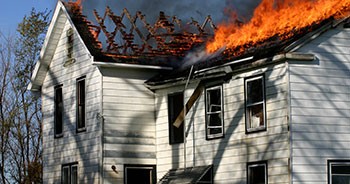
If you're wondering how to keep firefighters safe during defensive firefighting, count on the...
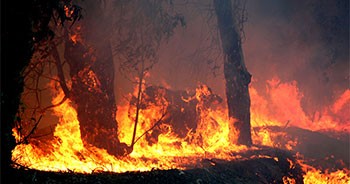
At American Trade Mark, we serve nationwide as a leading manufacturer of wildland fire...

At American Trademark, we want to help you with risk management and firefighter injury...
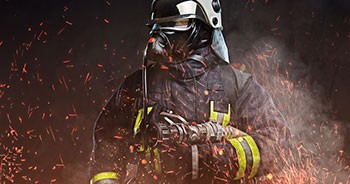
At American Trade Mark Co. our priority is helping you stay safe from common...
At American Trade Mark, all of our products are made with the safety of...
The most important job of the Incident Commander is firefighter scene safety. Communication, organization,...
At American Trade Mark, we offer an effective range of accountability products geared towards...





If your department is looking for additional funding to ensure your firefighters have all...