
Know The Principles Of Emergency Management
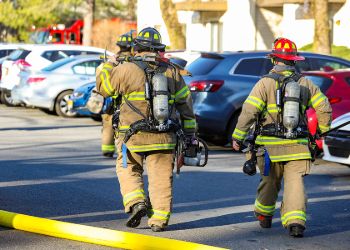
Learning key emergency management principles and implementing them within your current incident command systems can help you respond more effectively to hazards. But where can your fire department, medical response crews, or law enforcement team start?
According to the Federal Emergency Management Agency (FEMA), “emergency management provides a structure for anticipating and dealing with emergency incidents.” They outline 5 main principles for implementing this structure.
- Prevention
- Protection
- Response
- Recovery
- Mitigation
Prevention — Deterrence & Counter Measures
The prevention portion of your emergency management plan should be all about avoiding incidents from occurring in the first place. Examples of preventative actions your department may take include: conducting inspections, increasing surveillance, and implementing counter measures.
Prevention is just a starting point, however, because it’s impossible to mitigate every hazard that poses a risk to your community.
Protection — Save Lives Through Preparedness
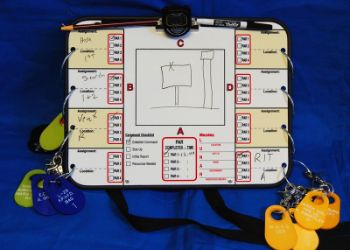
The next of our incident command tips involves being prepared. If you’re familiar with our command boards for firefighters, EMS, and law enforcement, you know that we are all about enabling first responders. We want to ensure you are equipped with tools that help you get and stay prepared during an emergency.
During the protection phase of your emergency response plan, the actions you take can reduce the impact of a hazard, save lives, and facilitate both response and recovery operations.
- Identify Potential Threats In Your Community
- Determine Potential Vulnerabilities In The Current Infrastructure
- Identify Any Resources & Supplies You Will Require
- Develop An Emergency Operations Plan (EOP)
- Recruit, Assign & Train Staff
- Designate Emergency Facilities — Like Shelters & Distribution Centers
Response — Putting Preparedness Plans Into Action
Response efforts usually start when you know an emergency is imminent or immediately afterward. These actions should address the short-term, direct effects of the hazard or incident. Your focus should be to limit the loss of life and restore critical infrastructure.
FEMA has many recommendations for the response phase of emergency management.
- Conduct An Assessment Of Critical Infrastructure & Facilities
- Execute Your EOP
- Disrupt Illegal Activities / Apprehending Perpetrators
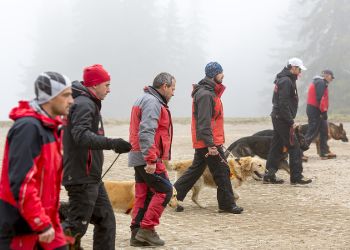
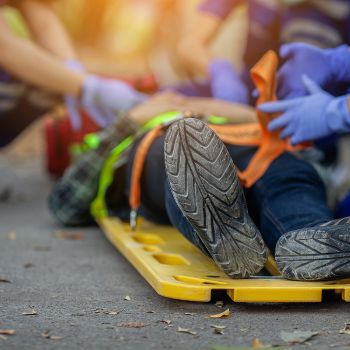
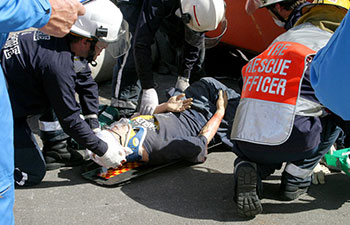
- Implement Lifesaving Efforts — Evacuation, Search & Rescue
- Discover The Number Of Citizens Displaced
Emergency Response Tools
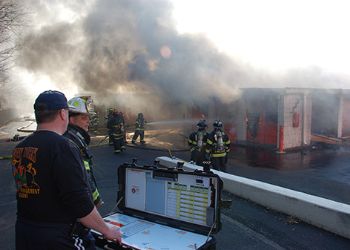
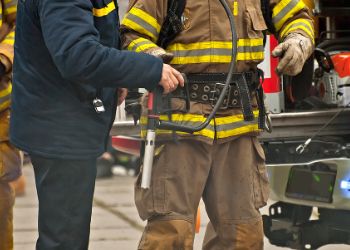
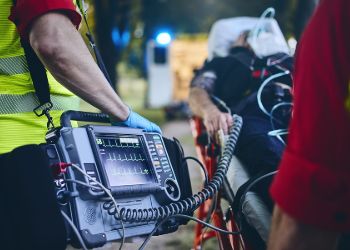
Some examples of emergency response activities involve communicating with transportation, utilities, media, and first response departments and taking note of disruptions that could cause injury or property damage now and in the days to come. We also offer a range of user-friendly tools to streamline incident command as you collect information and work to save lives.
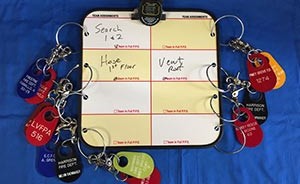
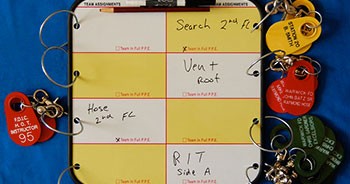
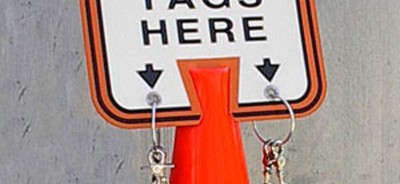
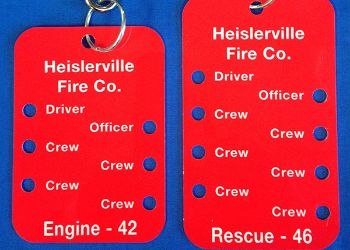
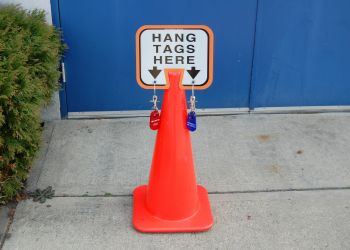
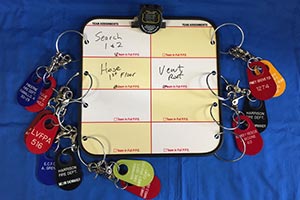
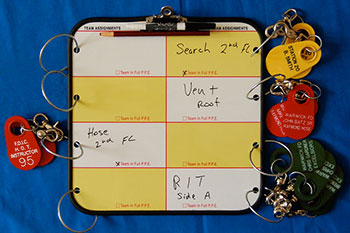
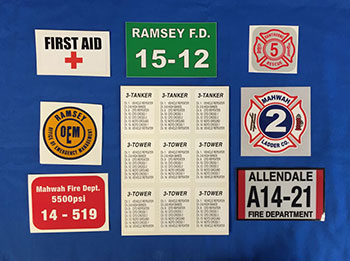
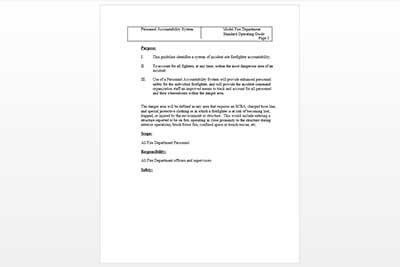
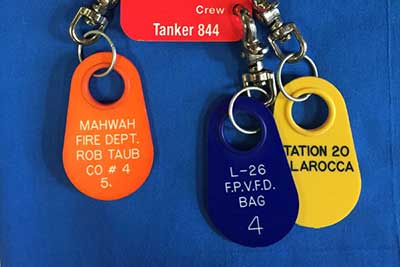
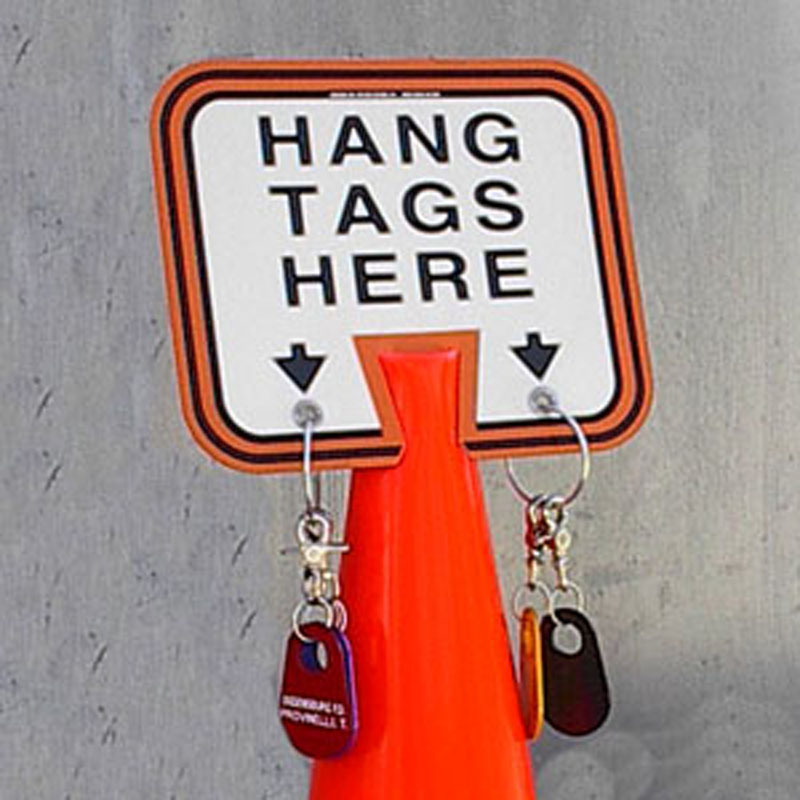
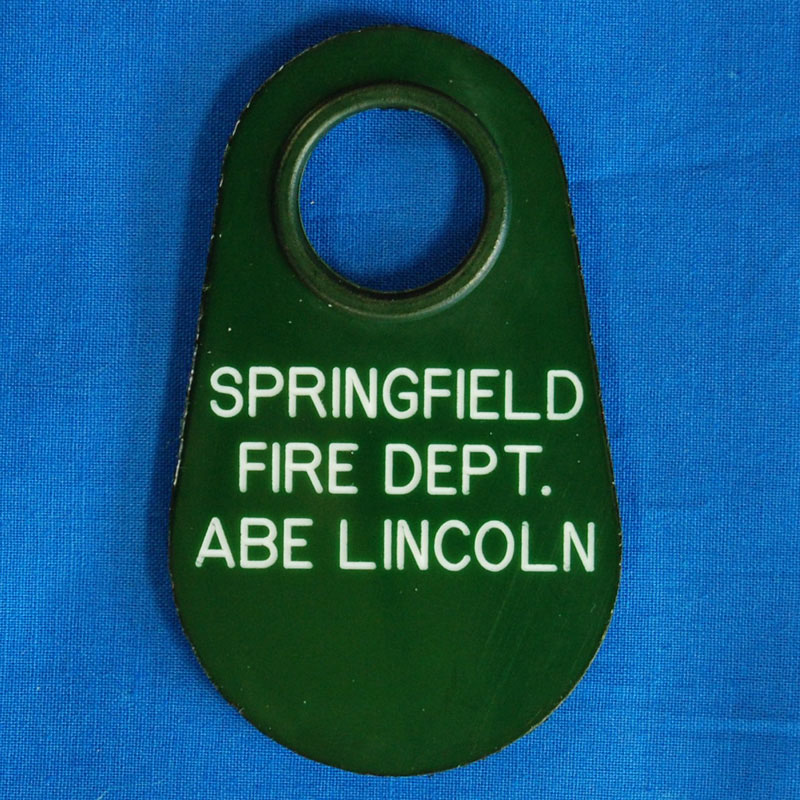
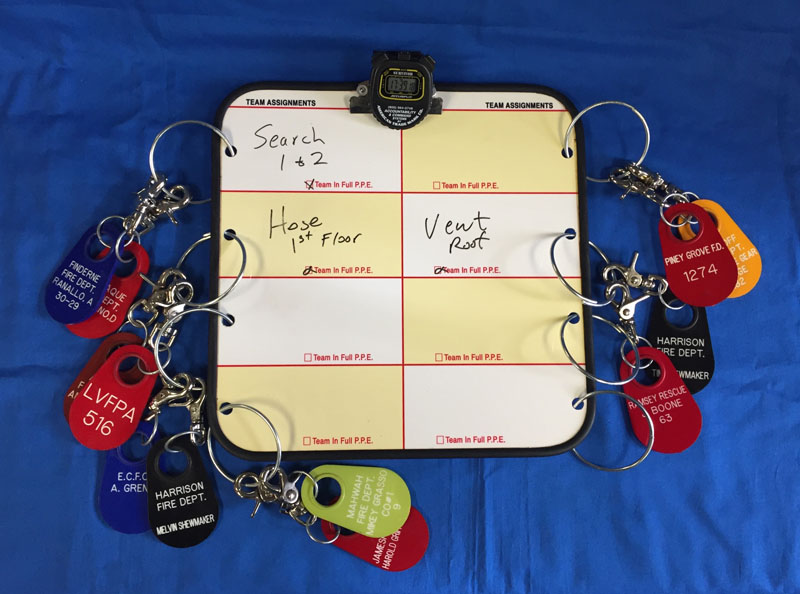
- Our first response accountability tags can help you track teams during search and rescue.
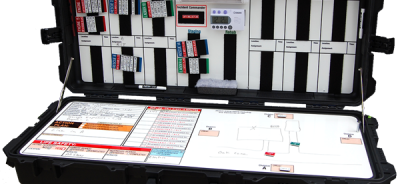
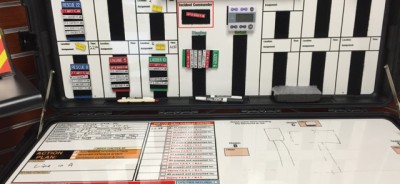
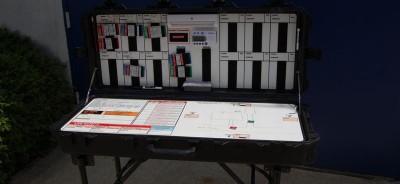
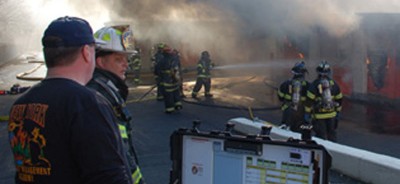
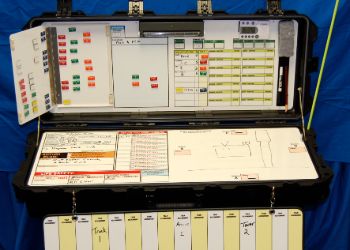
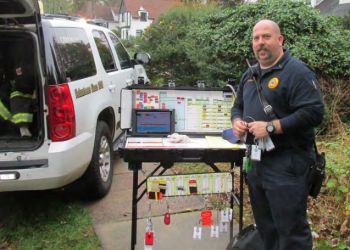
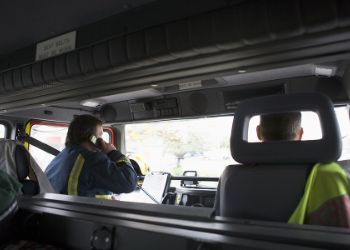
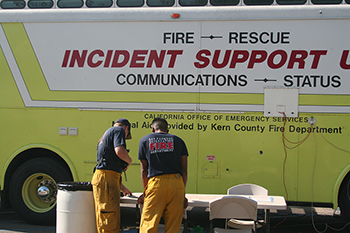
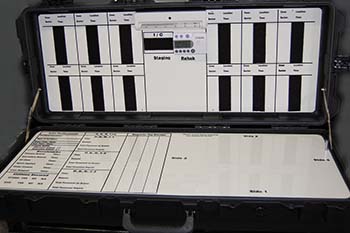
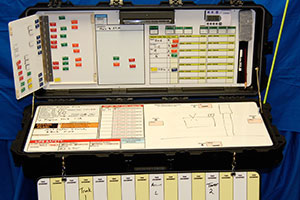
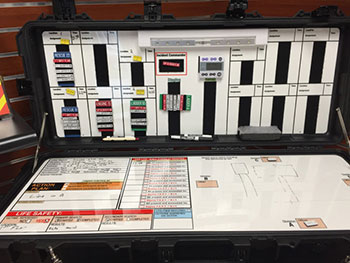
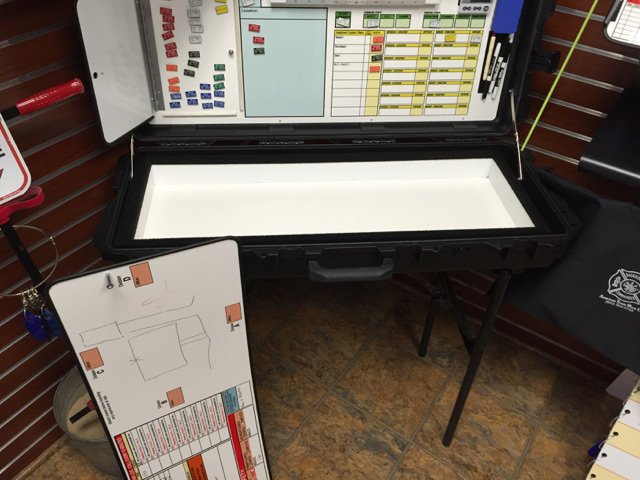
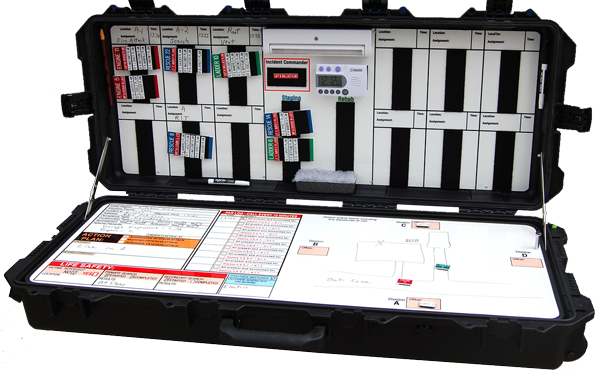
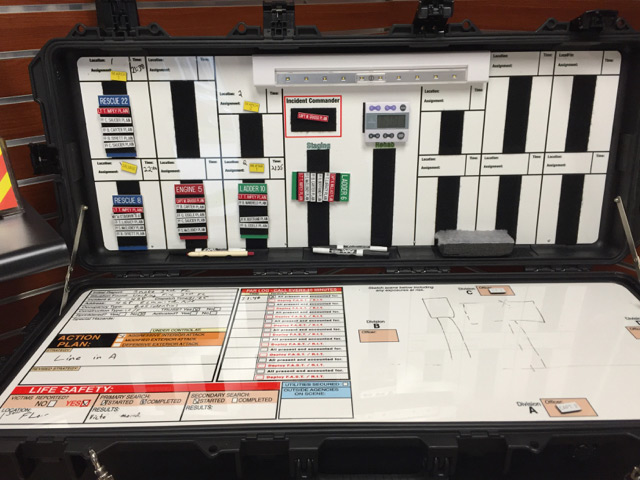
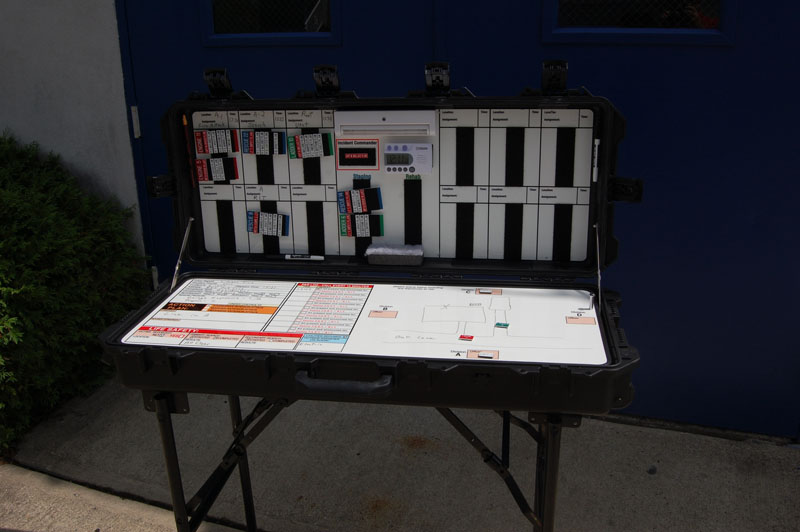
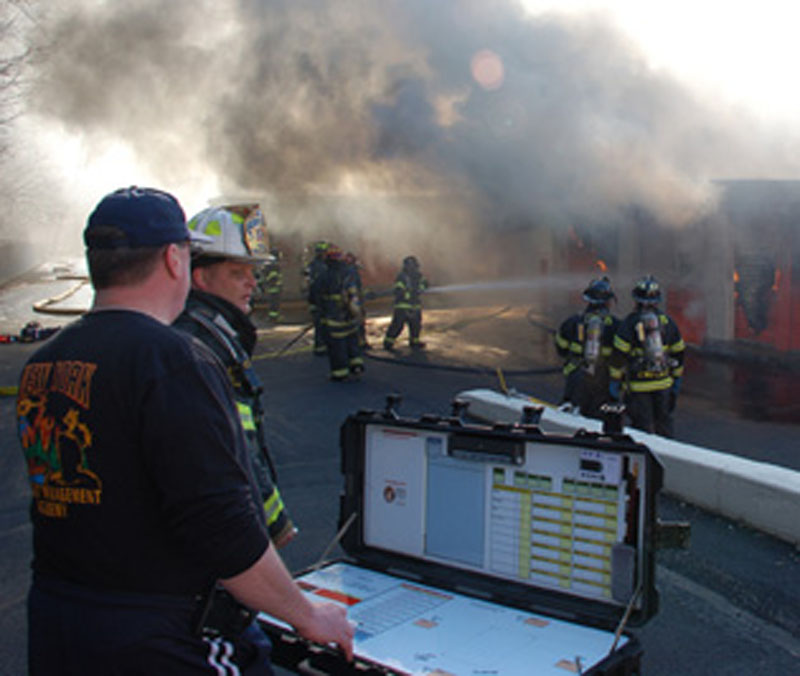
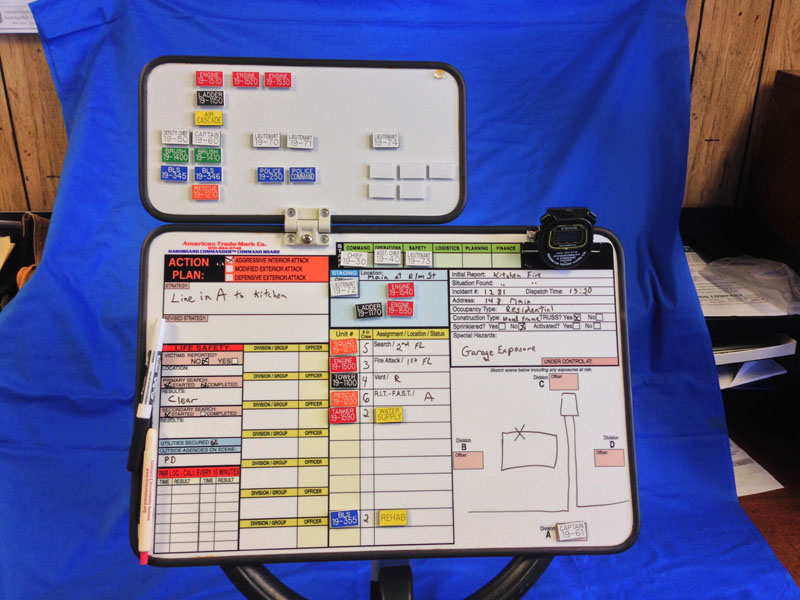
- Incident command systems create a portable base of operations on the scene of an incident.
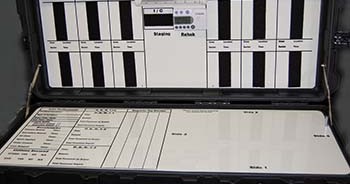
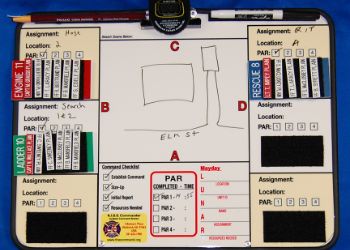
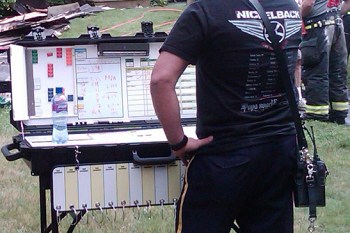
- Magnetic dry-erase boards help you collect, organize, and quickly change incoming information, so you can respond more effectively.
- Our command boards can be customized to the types of events you plan on encountering.
Recovery — Getting Things Back To Normal
Recovery should begin right after the hazard or incident. The primary purpose of this emergency management principle is to identify needs in the community, find resources to meet those needs, stabilize, and rebuild. It’s also essential at this stage to identify lessons learned.
Long-term recovery can take months or even years.
Mitigation — Ongoing Improvement
Emergency management is really more of a cycle than a set list of steps. So, the mitigation phase is both an ending to your recovery efforts and a beginning to your prevention plans. The main focus of mitigation is to reduce or eliminate risks associated with a hazard and, if that’s not possible, to decrease the consequences.
You may work on mitigation before, during, or after an incident. During this stage, your planning should be developed with lessons learned during recovery.
- Identify Events That Occur In Or Around Your Community
- Determine How Likely Another Event Is To Occur
- Educate Governments, Businesses & The Public
- Act To Prevent Future Casualties, Destruction & Disruption
- Act To Reduce Costs Of Recovery
Examples Of Mitigation In Action
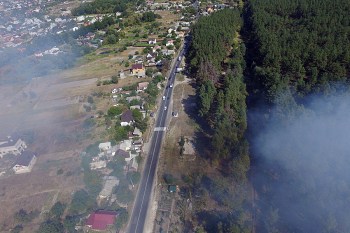
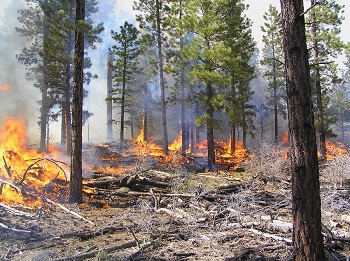
You may modify police buildings, implement erosion and sediment control around hospitals, or develop flood level maps. Your fire department might create and distribute wildfire safety information to the public that lists evacuation routes and shelter locations, for example.
Helping You Manage All Types Of Emergencies
Floods, fires, terrorism, pandemics — first response is about being prepared for anything. We hope this summary of emergency management principles helps your first response teams find a starting point for these preparations. We invite you to contact us at American Trade Mark to learn more about our mobile incident command systems and customized accountability tags.
Related Posts
Secondary collapses are one of the most dangerous threats firefighters face on the fireground....
Fireground safety is a given priority, but even the most experienced crew may overlook...
Fireground accountability is crucial for maintaining safety and efficiency during emergency operations. Despite rigorous...
In the high-stakes world of EMS, error-free operations are crucial. Sophisticated tools, like EMS...
Magnetic command boards are a practical and flexible tool for organizing search-and-rescue missions. They...
In Emergency Medical Services (EMS), infection control is vital to protecting first responders and...
American Trade Mark Co. is committed to supporting first responders nationwide by providing valuable...
In developing safe and effective responses to gas leaks nationwide, it is critical for...
Preserving a fire scene is important for helping first responders understand and investigate the...
Wildfire smoke poses significant risks to firefighter health, requiring rigorous safety protocols to minimize...
Ensuring firefighter safety through rigorous gear inspection and maintenance is fundamental to any fire...

American Trade Mark offers accountability tags for fire departments and law enforcement agencies nationwide....
In the unpredictable environment of emergency response, ensuring EMS responders' safety in high-risk situations...
Firefighting is a demanding profession that requires precision, quick decision-making, and coordinated efforts to...
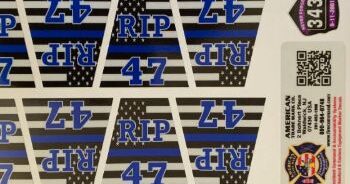
Helmet decals are more than a means of identification or decoration for firefighters. These...
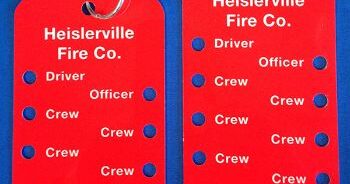
The importance of firefighter accountability tags cannot be overstated in the realms of fire...
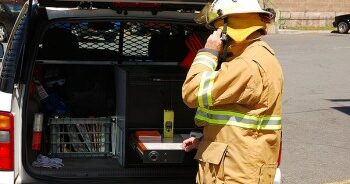
Firefighting is a challenging profession where every second matters and can be the difference...
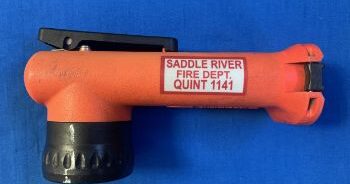
Firefighter equipment markers have a crucial role in ensuring fire services' safety and efficiency....
Ensuring firefighter safety amidst the challenges posed by electrical fires is a paramount concern...
Ensuring firefighter safety in high-risk industrial settings requires strict adherence to safety protocols and...
In the dynamic and demanding world of emergency response, every second counts. It's essential...

As the popularity of food trucks continues to grow, first responders need to have...
Incident command places immense pressure on your leadership team. Rapid decision-making during an emergency...
When emergencies strike, effective incident command strategies save lives. However, methods employed to manage...
Are you looking to improve your communications when deploying your incident command truck in...
Crew-based accountability is essential for firefighters to do their job successfully, and accountability tags...
While training to send and receive mayday calls is part of every firefighter trainee's...
At American Trade Mark, we know just how grueling but rewarding a career in...
According to statistics from the National Institute for Occupational Safety & Health, many of...
During one firefighting incident, just five firefighters responded to a call for help about...
Firefighters often arrive first on the scene of not only fires but national disasters...
Every day, firefighters risk their lives to save people and property, which makes implementing...

A building collapse situation has the potential for serious harm to emergency personnel with...
First Responders should have five functional areas set up within their Incident Command Systems...
American Trade Mark wants to ensure that every hero gets home safely, which is...
At American Trade Mark we know firefighters encounter dangerous conditions on a consistent basis,...
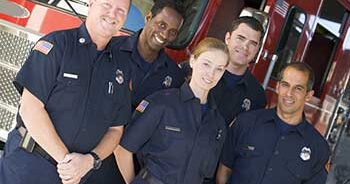
When it's time for a firefighter to retire, how do you say thank you...
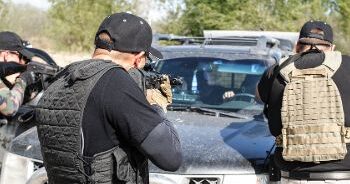
Desperate criminals and lives on the line—no one wants to be on the front...
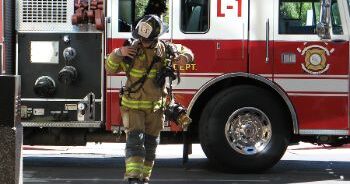
First responders go all out for their communities daily, without any thought of recognition,...
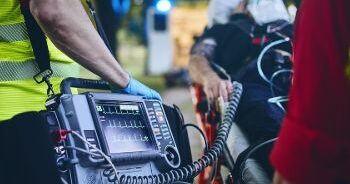
American Trade Mark provides mobile incident command systems to emergency responders nationwide. For EMS...
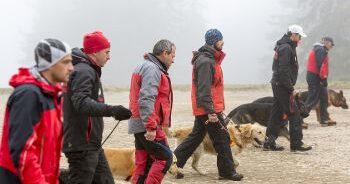
Locate victims while keeping your first responders as safe as possible with ICS for...

Motor vehicle accidents happen every day. In order to protect first responders like firefighters,...

Police incident command is essential for ensuring the safety of officers and the public....

EMS and paramedics are often the first lines of help on an emergency scene....

Our police officers and other law enforcement personnel often don’t have the luxury of...
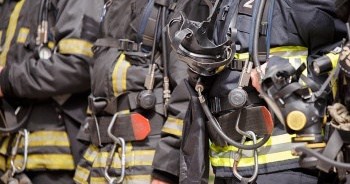
COVID-19 has impacted our communities in every way. Surprisingly, however, despite warnings to distance...
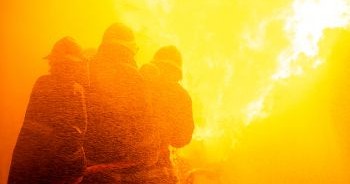
During a time of mask-wearing and social distancing are firefighters really at risk? After...
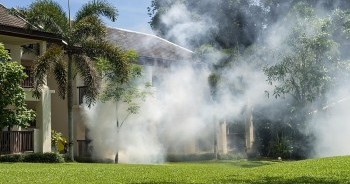
Hotel and resort fires are unique because of the sheer size, height, and number...
Share information quickly and clearly in an emergency. Efficient resource allocation, firefighter safety, and...

Tracking first responders in hoarder home fires is crucial for safety, and at American...
Firefighters put their lives on the line day in and day out, year after...
Bolster your current wildfire fireground communications with incident command systems and tools from American...
At American Trade Mark, we manufacture and distribute custom products and accessories to compliment...
At American Trade Mark, we offer incident command boards for departments of all sizes...
Get, communicate with, and track the people and information you need during your next...
Ensuring effective fireground communications for both firefighters and incident command with strategic planning and...

American Trade Mark is committed to helping keep our first responders nationwide safe and...
Improve fireground communication and firefighter safety with fire department communication tips for bad weather...

At American Trade Mark, we understand that the incident commander and incident safety officer...
Track departments and communicate more efficiently with tools for coordinating emergency response from American...
American Trade Mark knows what it means to develop strategies for EMS safety. Our...
As fires in the wildland-urban interface continue to rise, so do the demands on...

Limit chemical exposure hazards in your firefighters with accountability tags from American Trade Mark....
Improve your firefighter safety and survival rates with these nine tips from American Trade...
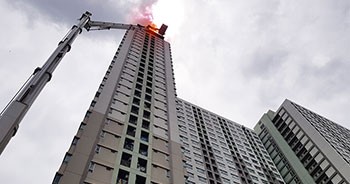
Face the uniquely difficult set of challenges involved in high rise firefighter safety with...
We want to help incident commanders find ways to reduce firefighter stress with tips...
As a nationwide provider of firefighter accountability and incident command equipment, American Trade Mark...
Before diving head first into the latest and perceived greatest, at American Trade Mark,...
Incident command and firefighter safety have come a long way since Benjamin Franklin’s 1736...
Don’t get caught off guard on your next emergency response call. At American Trade...
Whether you are on a dedicated woodland fire crew or IC for a structural...
At American Trademark we've put together some high-stress fireground communication tips for when your...
At American Trademark, we understand that to run an effective emergency response team it...

During a time when first responders are being asked to be prepared for more...
Count on EMS command boards from American Trade Mark to promote safety and accountability...
If you're wondering how to keep firefighters safe during defensive firefighting, count on the...
At American Trade Mark, we serve nationwide as a leading manufacturer of wildland fire...

At American Trademark, we want to help you with risk management and firefighter injury...
At American Trademark, we've put together a list of useful tips for accountability officers....
At American Trade Mark Co. our priority is helping you stay safe from common...
At American Trademark, we want to make sure that you are aware of how...
At American Trade Mark, all of our products are made with the safety of...
American Trade Mark Co. specializes in custom firefighter and custom fire department plaques crafted...
When you’re a firefighter, everyone looks out for everyone else by wearing ID tags—and...
The most important job of the Incident Commander is firefighter scene safety. Communication, organization,...
Equipment accountability is important for first responders which is why American Trade Mark offers accountability...
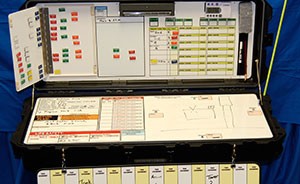
At American Trade Mark, our magnetic and dry erase command boards can streamline and...
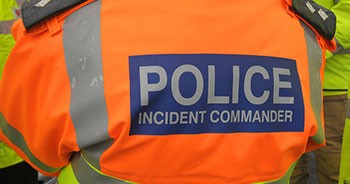
At American Trade Mark, we offer law enforcement incident command boards for police and...
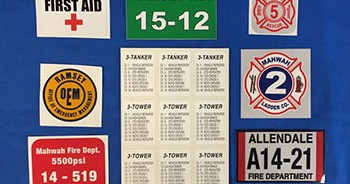
Custom reflective stickers for fire departments are necessary to quickly indicate to crews, safety...
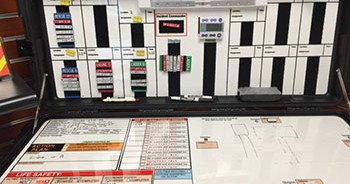
To meet the needs of your specific fire department, at American Trade Mark we...
American Trade Mark specializes in the manufacturing of first responder scene safety products and...
As an industry leader in products dedicated to fire personnel tracking and accountability plan...
At American Trade Mark, we offer an effective range of accountability products geared towards...
American Trade Mark offers custom imprinting for firefighters and other emergency medical services. We’ve...
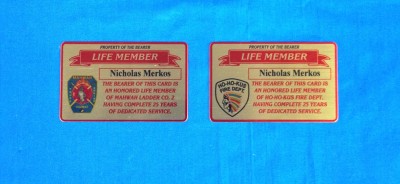
American Trade Mark offers a way to honor first responders with custom member cards....
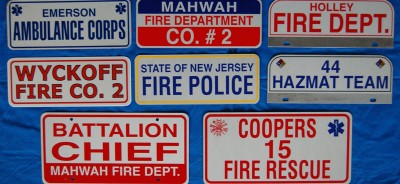
American Trade Mark has custom license plates for all types of emergency services. No...
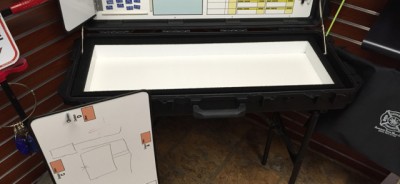
Here at American Trade Mark, we understand that choosing the right command board for...
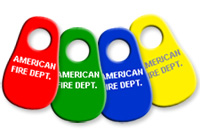
American Trade Mark provides multiple custom engraving and color options for our accountability tags....
American Trade Mark Co. is a well-known leader in the firefighter accountability system field...
Safeguard your firefighters with a Velcro accountability board offered by American Trade Mark. This...
Explore custom firefighter accountability tags by American Trade Mark Co. The site of a...
If your department is looking for additional funding to ensure your firefighters have all...
American Trade Mark is a leader in firefighter passport accountability systems (PAS) and supporting...

At American Trade Mark we understand the importance of using quality labels for firefighter...
At American Trade Mark, we serve communities by making it possible to keep track...
Enhance your fire department’s personnel accountability system with American Trade Mark Co. accountability tag...
Firefighter tracking systems are a vital part of first responder safety. They help Incident...
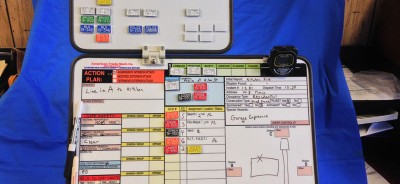
Having robust Incident Command Systems saves firefighters’ and EMTs’ lives by promoting personnel accountability...
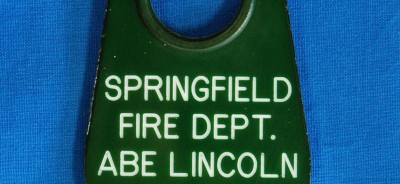
Protect your firefighters with American Trade Mark Co. custom firefighter accountability tags. Our personnel...
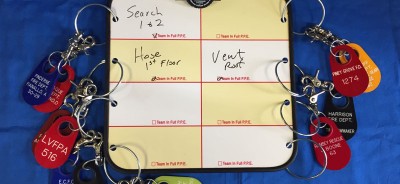
Firefighter status boards are an essential part of managing successful fire ground operations. American...
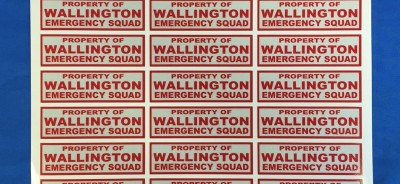

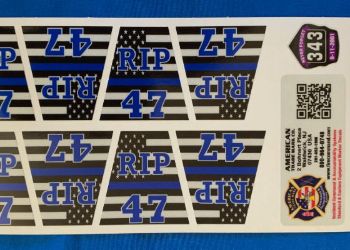





American Trade Mark Co. is a leading manufacturer of firefighter equipment marker decals. Firefighter...